

















Ever heard of the endocannabinoid system? It sounds complicated, but it’s actually a natural part of your body that helps keep things running smoothly. Think of it like your body’s own internal balancing act. This guide is here to break down what the endocannabinoid system explained really means, in a way that’s easy to get. We’ll look at how it works, what it does, and why it’s so important for your overall well-being. No fancy science jargon here, just the basics to help you understand this fascinating system.
Key Takeaways
- The endocannabinoid system (ECS) is a complex network within your body that helps regulate various functions.
- It’s made up of endocannabinoids (your body’s natural cannabis-like compounds), receptors that bind to them, and enzymes that break them down.
- The main job of the ECS is to maintain homeostasis, which is a state of balance in your body.
- When the ECS is out of balance, it can affect things like mood, sleep, appetite, and pain perception.
- Understanding the ECS can shed light on how external cannabinoids, like those found in cannabis, interact with your body.
What is the Endocannabinoid System (ECS)?
It’s pretty amazing to think about how our bodies work, right? There’s this whole intricate system humming along, keeping things in balance, and we often don’t even know it’s there. One of these incredible systems is the Endocannabinoid System, or ECS for short.
The Discovery of the ECS
Scientists stumbled upon the ECS back in the early 1990s. They were studying how cannabis compounds, like THC, affected the body and realized we must have our own internal system that these compounds were interacting with. It turns out, our bodies actually produce their own cannabis-like molecules, which they called "endocannabinoids" (endo meaning "within"). This discovery was a big deal because it showed that these plant compounds weren’t just foreign invaders; they were tapping into a system that’s already a part of us. It’s like finding out your car has a built-in feature you never knew about, and then realizing the aftermarket parts you were looking at were designed to work with it all along.
Essentially, the ECS is a complex cell-signaling system that plays a role in regulating a whole bunch of things in our bodies. Think of it as a master regulator, working behind the scenes to help maintain a stable internal environment, a state known as homeostasis. It’s involved in everything from how we feel and sleep to how our immune system responds and how our bodies process energy. It’s not just in our brains, either; it’s found throughout our bodies, in our organs, tissues, and even our immune cells. It’s pretty wild to consider that this system is so fundamental that it’s even involved in fetal development.
The ECS is like the body’s internal balancing act, constantly working to keep everything running smoothly, no matter what’s going on outside or inside.
So, when we talk about the ECS, we’re talking about a system that’s been with us for a very long time, helping us adapt and stay well. It’s a testament to how interconnected our bodies are and how nature often provides clues to understanding our own biology.
Key Components of the Endocannabinoid System
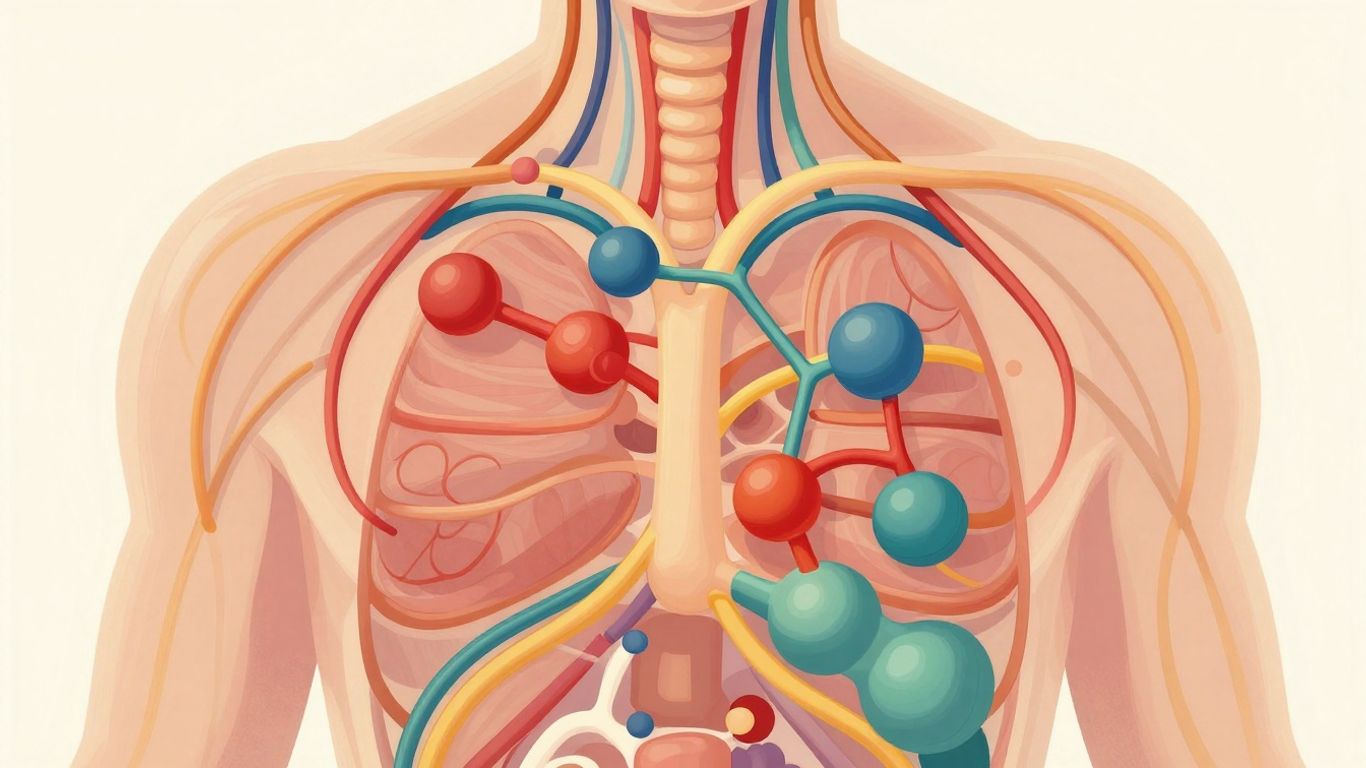
So, what exactly makes up this fascinating system within us? Think of it like a finely tuned orchestra, with each part playing a vital role to keep everything in harmony. The endocannabinoid system (ECS) is generally understood to have three main players: the endocannabinoids themselves, the receptors they interact with, and the enzymes that manage their lifespan.
Endocannabinoids: The Body’s Own Cannabinoids
These are the "endogenous" cannabinoids, meaning they’re produced naturally by your body. They’re like the messengers of the ECS. The two most well-known endocannabinoids are anandamide (AEA) and 2-arachidonoylglycerol (2-AG). Anandamide is often called the "bliss molecule" because it’s linked to feelings of well-being, while 2-AG plays a big role in things like appetite and pain. These molecules are synthesized on demand, meaning your body makes them when they’re needed, not just sitting around waiting. They’re released from cell membranes and then travel to do their job.
Cannabinoid Receptors: CB1 and CB2
These are like the "locks" that the endocannabinoid "keys" fit into. The two primary receptors are CB1 and CB2. CB1 receptors are found mostly in the brain and central nervous system, influencing mood, memory, and pain perception. You’ll also find them in other areas like the lungs, liver, and kidneys. CB2 receptors, on the other hand, are mainly located in the peripheral organs and immune cells, playing a significant role in managing inflammation and immune responses. It’s pretty amazing how these receptors are distributed throughout your body, helping to regulate so many different functions. The ECS is a complex physiological system that includes these receptors [f22c].
Enzymes: Breaking Down Endocannabinoids
Once the endocannabinoids have done their job, they need to be cleared away so the system can reset. This is where enzymes come in. They act like the "cleanup crew." The main enzymes involved are:
- FAAH (Fatty Acid Amide Hydrolase): This enzyme primarily breaks down anandamide.
- MAGL (Monoacylglycerol Lipase): This enzyme is the main one responsible for breaking down 2-AG.
These enzymes ensure that the endocannabinoid signals don’t last too long, preventing overstimulation and helping to maintain that delicate balance. It’s a constant cycle of creation, action, and breakdown, all working together to keep you feeling your best.
How Does the Endocannabinoid System Work?

It’s pretty amazing to think about how our bodies have this built-in system that’s constantly working to keep things in balance. The endocannabinoid system, or ECS, is like a sophisticated internal communication network. Its main job is to help maintain homeostasis, which is basically a stable internal environment, no matter what’s going on outside or inside us. Think of it as your body’s way of hitting the reset button and finding equilibrium.
Maintaining Homeostasis: The ECS’s Primary Role
The ECS is involved in a whole lot of bodily functions, acting like a conductor for many different processes. When something gets out of whack, the ECS steps in to help bring it back to normal. It’s not just about one thing; it’s about the overall harmony of your system. This can include things like:
- Regulating your immune response and inflammation.
- Managing how your body handles pain.
- Influencing your stress reactions and emotional state.
- Keeping your digestive system running smoothly.
- Balancing your energy levels and metabolism.
Essentially, the ECS is a master regulator, working behind the scenes to keep you functioning optimally. It’s a complex system, and scientists are still uncovering all its intricacies, but its role in keeping things steady is clear. It’s like having a dedicated team constantly monitoring and adjusting to ensure everything is just right.
The ECS is a dynamic system, meaning it’s always active and responsive. It doesn’t just react to problems; it’s constantly working to prevent them by keeping various bodily functions within their ideal ranges. This continuous effort is what allows us to adapt to different situations and maintain our health.
The ECS and Your Mood, Sleep, and Appetite
When we talk about how the ECS affects our daily lives, mood, sleep, and appetite are big ones. Ever notice how after a good workout, you feel a sense of calm or even euphoria? That’s partly the ECS at play, releasing its own natural compounds to help manage stress and promote well-being. It’s involved in how we experience pleasure and how our brain processes emotions. The endocannabinoid system also plays a significant role in regulating our sleep cycles, helping us to fall asleep and stay asleep. And when it comes to appetite, the ECS can influence hunger signals and feelings of fullness, contributing to how and what we eat.
It’s a delicate dance, and when this system is working well, we often feel our best. Understanding how it influences these fundamental aspects of our lives can be really eye-opening.
What Happens When the ECS is Imbalanced?
Sometimes, things just don’t feel quite right, and it turns out our endocannabinoid system (ECS) might be playing a role. When this intricate system gets out of sync, it can show up in a bunch of different ways. It’s like a delicate balancing act, and when that balance is off, our bodies might struggle to keep everything running smoothly.
Think about it – the ECS is involved in so many everyday functions, from how we feel our mood to how well we sleep and even how hungry we get. So, when it’s not working at its best, it can contribute to a variety of issues. Some people might notice changes in their mood, feeling more anxious or down than usual. Others might have trouble sleeping, tossing and turning when they should be resting. Appetite can be affected too, either feeling constantly hungry or losing interest in food altogether.
It’s not just about feelings, though. An imbalanced ECS has been linked to more complex health concerns. For instance, it’s thought to play a part in how our bodies handle pain and inflammation. When the system is dysregulated, these processes might not function as effectively as they should, potentially leading to discomfort or prolonged issues. This can make everyday life feel like a struggle, and it’s easy to feel frustrated when you can’t pinpoint the cause.
Here are some common areas where an imbalanced ECS might show up:
- Mood disturbances: Increased feelings of anxiety, depression, or general unease.
- Sleep problems: Difficulty falling asleep, staying asleep, or experiencing restless sleep.
- Appetite changes: Significant shifts in hunger or feelings of fullness.
- Pain perception: Heightened sensitivity to pain or chronic discomfort.
- Digestive issues: Problems like nausea, cramping, or irregular bowel movements.
- Stress response: Feeling overwhelmed by stress or having a harder time recovering from stressful events.
It’s important to remember that the ECS is a complex system, and its role in health and disease is still being actively researched. While imbalances can contribute to various conditions, they are rarely the sole cause. Understanding these connections can be a step towards finding ways to support your body’s natural balance.
If you’re experiencing persistent issues in these areas, it might be worth exploring how your endocannabinoid system could be involved. Sometimes, just understanding the ‘why’ behind what you’re feeling can be a big relief and a starting point for finding solutions.
The ECS and External Cannabinoids (Phytocannabinoids)
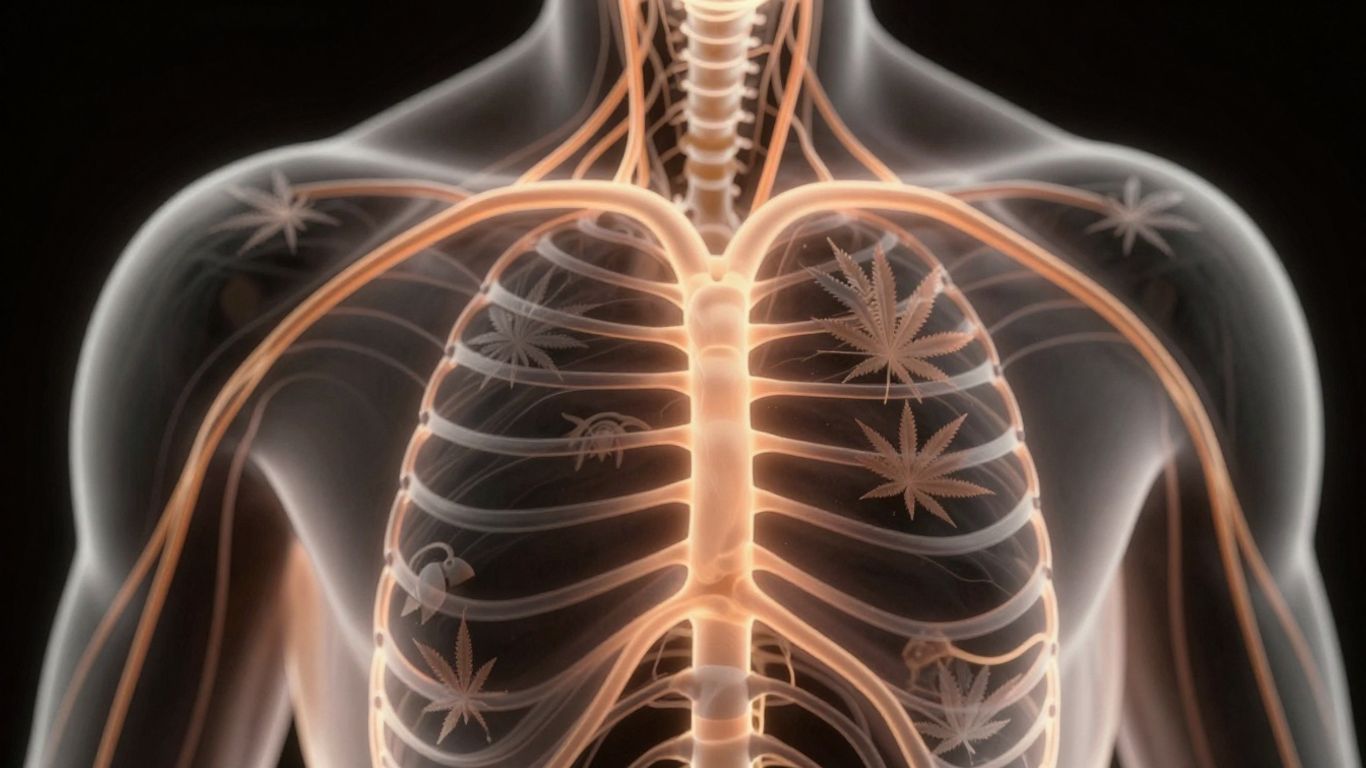
You know, it’s pretty fascinating how our bodies have this whole internal system, the endocannabinoid system (ECS), that keeps things running smoothly. But what’s even more interesting is how things from the outside, specifically from plants, can interact with it. These external compounds are called phytocannabinoids, and the most well-known plant they come from is Cannabis sativa.
Think of it like this: our ECS has its own set of "keys" (endocannabinoids) that fit into specific "locks" (receptors) to get things done. Phytocannabinoids are like different keys, some of which can also fit into these locks, or at least influence how they work. The most famous phytocannabinoid is probably THC, which is known for its psychoactive effects. It fits into the CB1 receptors, which are mostly in the brain, and that’s why it can change how we feel and perceive things. Then there’s CBD, which is a bit different. It doesn’t really fit into the CB1 or CB2 receptors the same way THC does. Instead, it seems to interact with the ECS in more indirect ways, maybe by affecting how our own endocannabinoids work or by influencing other receptors in the body.
It’s not just about THC and CBD, though. The cannabis plant has a whole bunch of other phytocannabinoids, and they can all interact with our ECS in unique ways. Sometimes, these compounds work together, which is why people talk about the "entourage effect" – the idea that the whole plant extract might be more effective than isolated compounds. It’s like a team effort within our bodies.
Here’s a quick look at some key players:
- THC (Delta-9-tetrahydrocannabinol): The most well-known, interacts strongly with CB1 receptors, leading to psychoactive effects.
- CBD (Cannabidiol): Doesn’t bind strongly to CB1 or CB2 but influences the ECS indirectly and interacts with other systems.
- Other Phytocannabinoids: A vast array of compounds like CBG, CBN, and THCV, each with potentially different interactions with the ECS and other bodily pathways.
Understanding how these external compounds interact with our internal ECS is a big part of why people are interested in cannabis for various reasons. It’s a complex dance between what our body naturally does and what these plant compounds can do when introduced.
The discovery that plants produce compounds similar to those our bodies make was a huge step. It explained a lot about why cannabis has been used for so long and opened up a whole new area of research into how we can potentially support our body’s natural balance using these plant allies.
Conclusion: The Importance of a Balanced ECS
So, we’ve talked about what the endocannabinoid system (ECS) is, its parts, and how it works to keep things running smoothly. It’s pretty amazing, right? This internal system is constantly working behind the scenes to help us feel balanced, from our mood and sleep to how we handle stress and even our appetite. When the ECS is in good shape, it’s like having a well-tuned orchestra playing in harmony.
But what happens when it’s not? Think of it like that orchestra losing its conductor or a few instruments going off-key. Things can get a bit chaotic. When the ECS is out of balance, it can show up in different ways. We might notice changes in our mood, have trouble sleeping, or feel more on edge. It’s not just about feeling a bit off; research suggests that imbalances in the ECS might be linked to various health issues, both physical and mental.
Here are a few key areas where a balanced ECS plays a big role:
- Mood Regulation: Helping to keep emotions stable and manage stress responses.
- Sleep Quality: Contributing to a regular sleep-wake cycle.
- Appetite and Digestion: Influencing hunger signals and gut function.
- Immune Response: Working to keep inflammation in check.
- Pain Perception: Modulating how we experience discomfort.
It’s really about maintaining homeostasis, that state of internal stability. Our bodies are designed to keep themselves in check, and the ECS is a major player in that process. Paying attention to things that can influence our ECS, like our diet and lifestyle, can be a gentle way to support its function. While we’re still learning a lot, understanding the ECS gives us a clearer picture of our body’s intricate communication network and why keeping it balanced is so important for our overall well-being.
Wrapping It Up
So, there you have it. The endocannabinoid system, or ECS, is this amazing internal network that’s been with us all along, working quietly to keep things balanced. It’s pretty wild to think our bodies are already equipped with this sophisticated system, and that things like cannabis compounds can interact with it. We’ve only scratched the surface of what the ECS does, but hopefully, this has given you a clearer picture of its importance. It’s a reminder of how intricate and interconnected our bodies truly are, and how much there is still to learn about our own biology.
Frequently Asked Questions
What exactly is the endocannabinoid system?
Think of your endocannabinoid system, or ECS, as your body’s internal communication network. It’s a complex system that helps keep everything running smoothly, like a thermostat for your body. It’s made up of special molecules and tiny receivers that work together to help your body manage things like mood, sleep, appetite, and how your body responds to stress.
Where did the idea of the ECS come from?
Scientists started learning about the ECS when they were studying cannabis. They discovered that our bodies actually make their own cannabis-like compounds, called endocannabinoids. This was a big surprise and led to the understanding that we have this natural system already built into us, which cannabis compounds can interact with.
What are the main parts of the ECS?
The ECS has three main parts. First, there are the endocannabinoids, which are like messengers made by your body. Second, there are cannabinoid receptors, which are like receivers that these messengers attach to. These receptors are found all over your body, especially in your brain and immune cells. Third, there are enzymes, which are like little helpers that break down the endocannabinoids once they’ve done their job.
How does the ECS keep things balanced?
The ECS works to maintain something called homeostasis, which is basically keeping your body in a stable, balanced state. When something is off, like when you’re stressed or feeling pain, your ECS kicks in to help bring things back to normal. It does this by sending out endocannabinoids to tell cells what to do, whether that’s calming down, reducing inflammation, or helping you feel sleepy.
Can external cannabinoids, like those from cannabis, affect my ECS?
Yes, they can! Plant-based cannabinoids, often called phytocannabinoids (like CBD and THC), are similar in structure to your body’s own endocannabinoids. Because of this similarity, they can connect with your ECS receptors and influence how the system works. This is why cannabis can have noticeable effects on the body and mind.
What happens if my ECS isn’t working right?
If your ECS is out of balance, it can lead to problems. Since it plays a role in so many body functions, an imbalance might show up as issues with mood, sleep disturbances, appetite changes, or feeling more pain or stress. Keeping your ECS healthy is important for overall well-being.
