














Intestinal homeostasis is the biological equilibrium that maintains your gut barrier, microbiota, and mucosal immune system in perfect synchronization. Your endocannabinoid system regulates this through CB1 and CB2 receptors, which control intestinal permeability, modulate inflammation, and protect against conditions like leaky gut, IBS, and inflammatory bowel disease. This balance is essential because when compromised, it causes chronic inflammation, microbial dysbiosis, and systemic consequences including diabetes and cardiovascular disease. is a new article. You can start editing it right away.
What Is the Endocannabinoid System and Why Does It Matter for Your Gut?
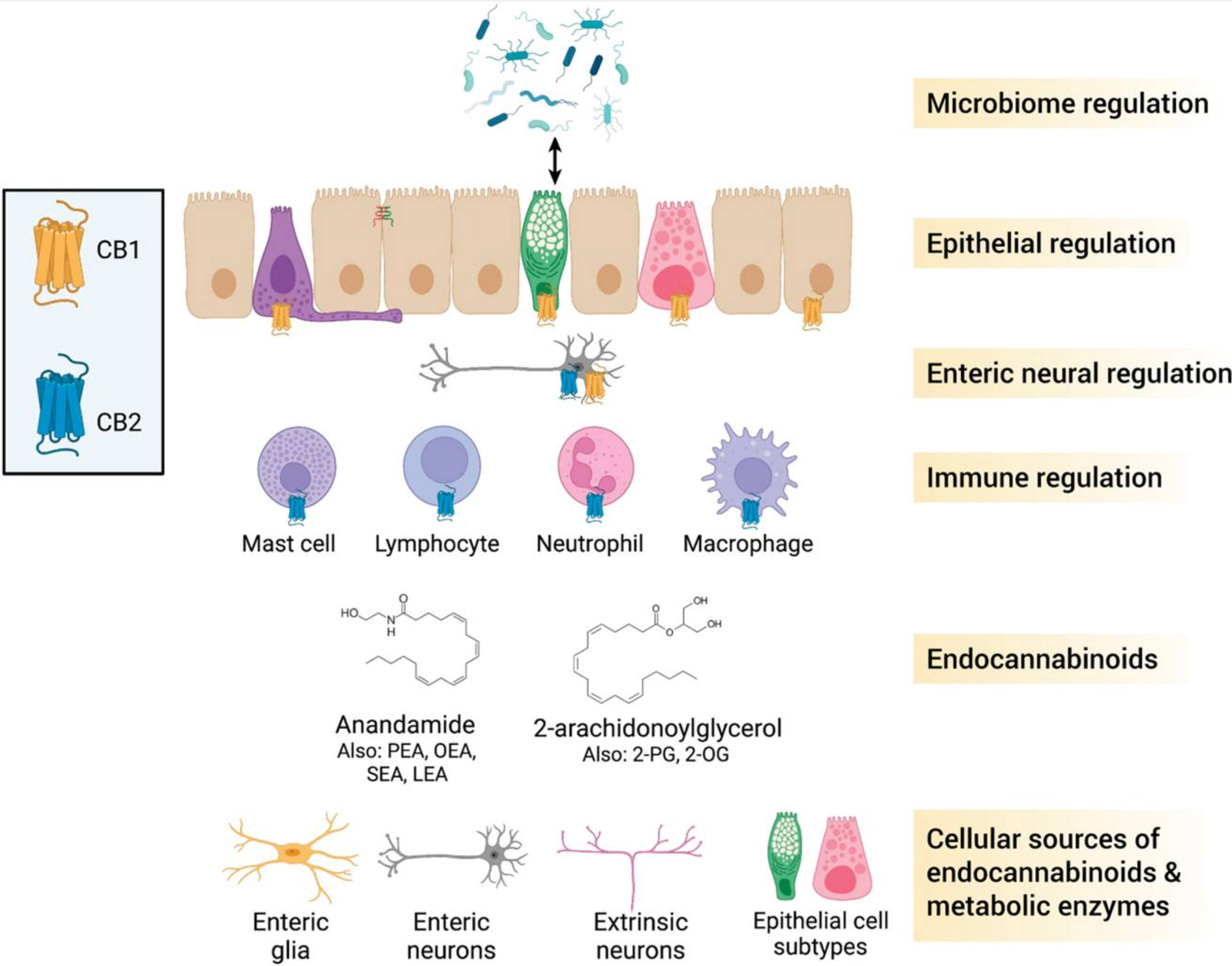
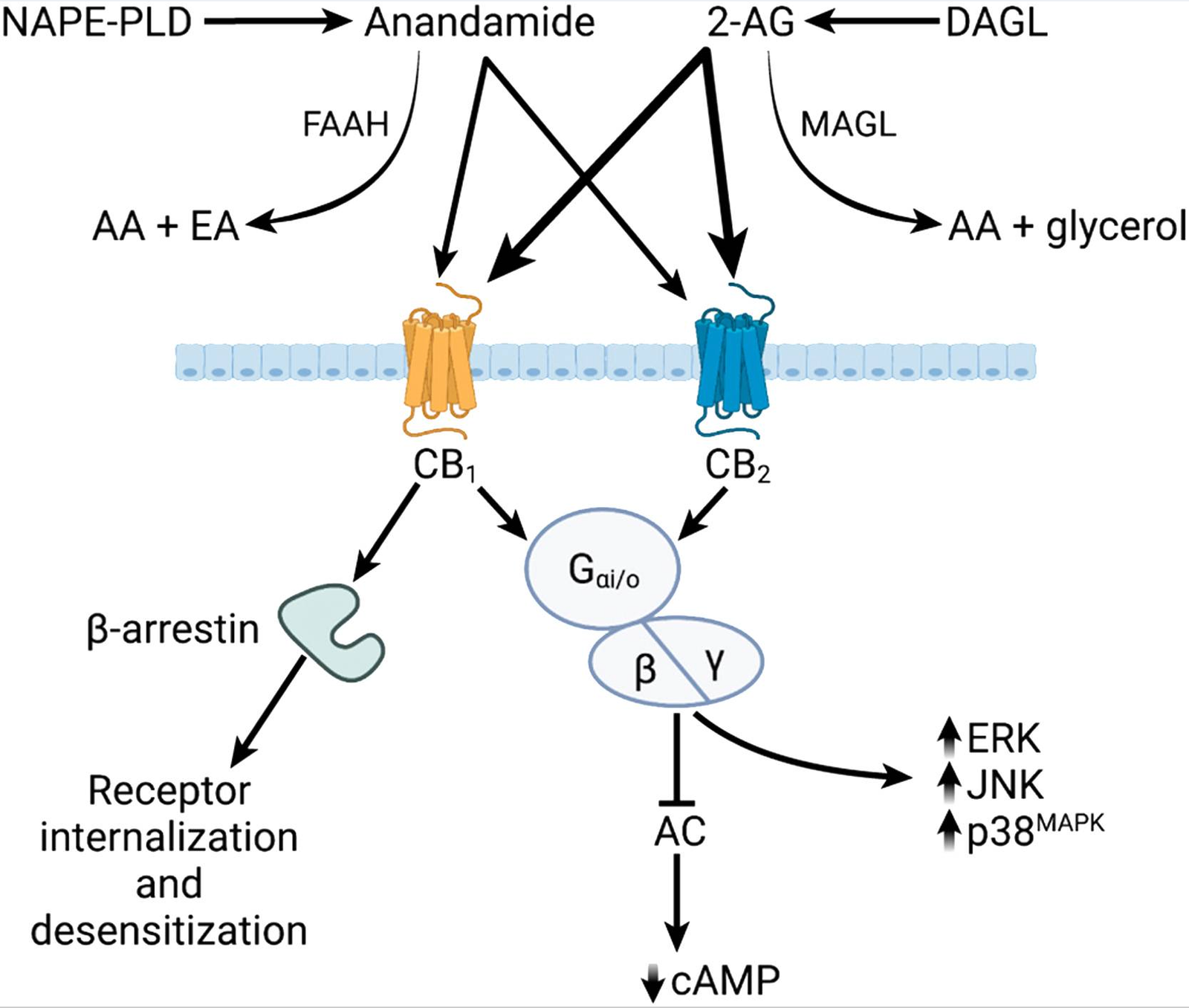
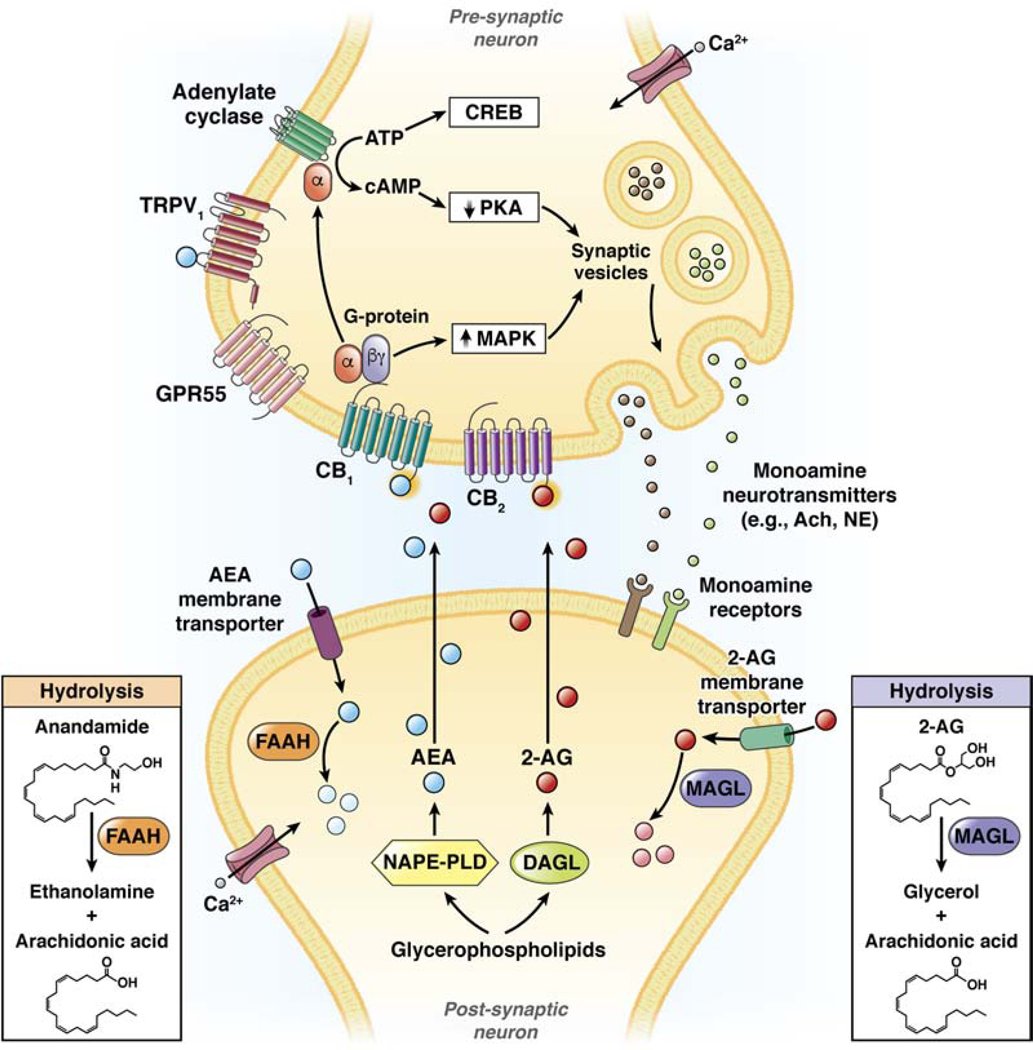
The endocannabinoid system (ECS) is a biological signaling network present throughout your body and particularly abundant in your gastrointestinal tract. It consists of three core components:
- Cannabinoid receptors: CB1 and CB2, plus other receptors like GPR55
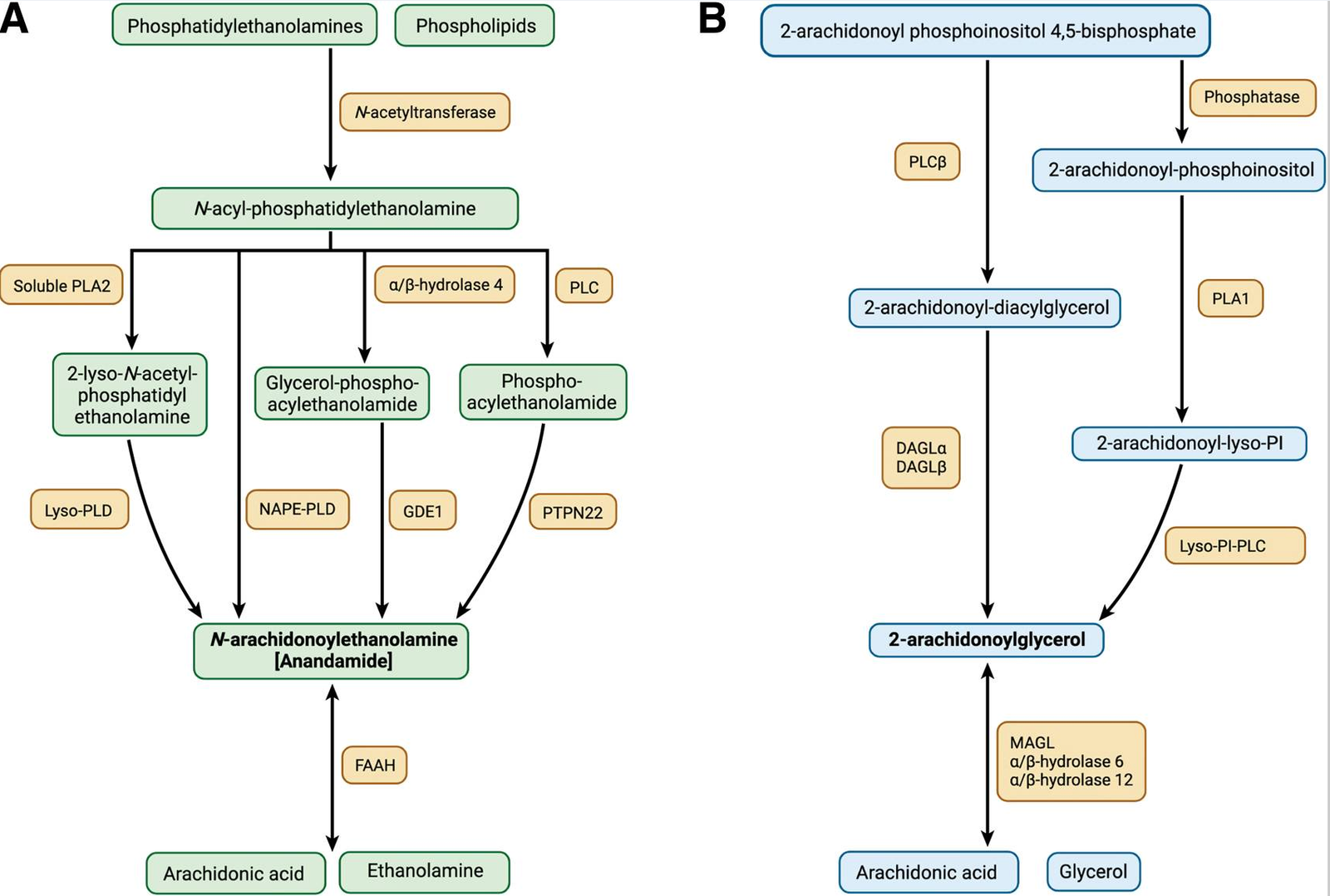
- Endocannabinoids: lipid molecules your body produces naturally (anandamide/AEA and 2-arachidonylglycerol/2-AG)
- Enzymes: Proteins that synthesize and break down endocannabinoids (DAGL, NAPE-PLD, FAAH, and MGL)
Your Gut’s “Second Brain” Regulation
Your intestine is often called your body’s “second brain,” and the endocannabinoid system is its central regulator. Research shows:
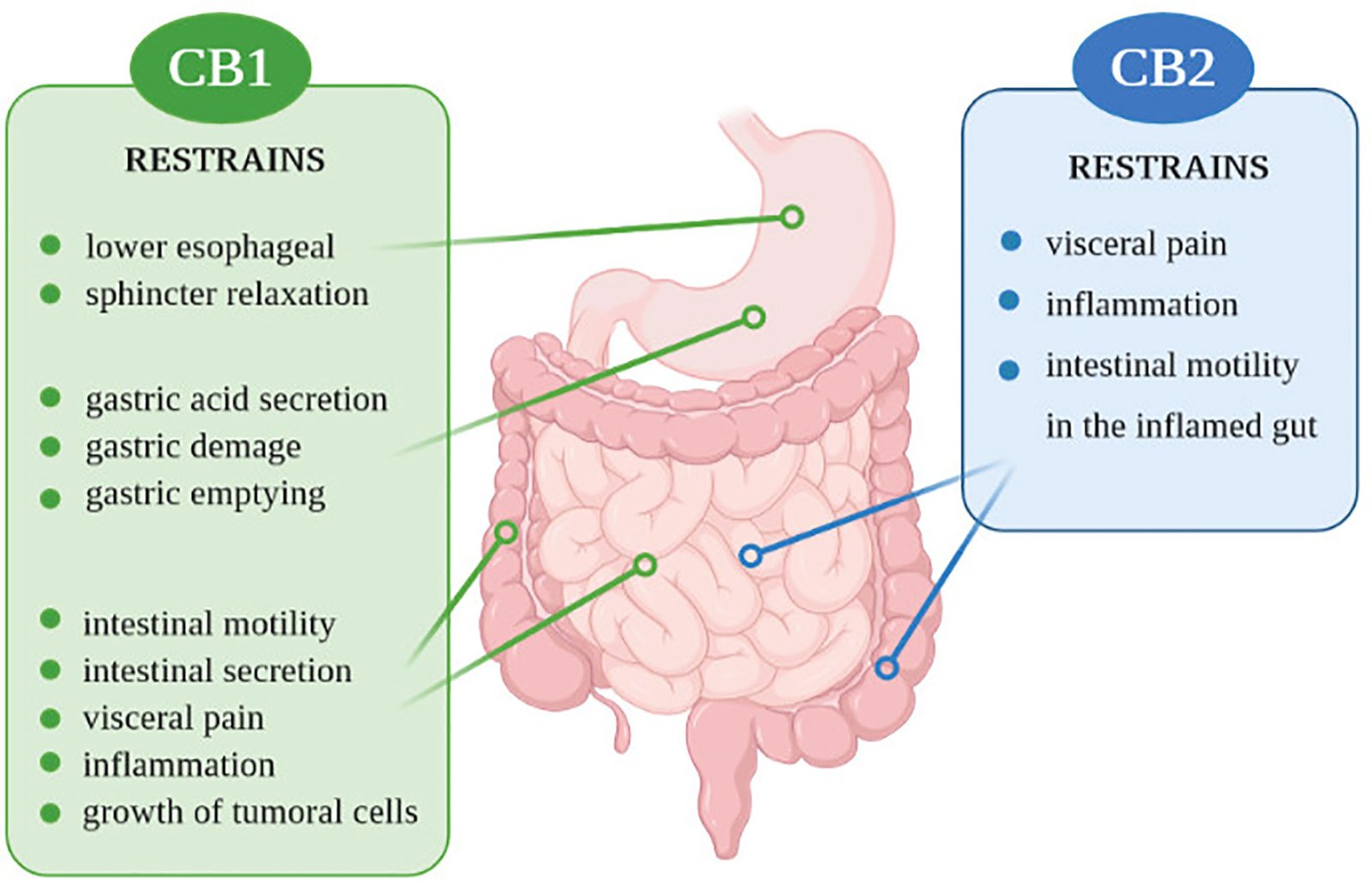
- CB1 is present on your intestinal barrier (cells lining your gut), in your enteric nervous system (the neurons controlling digestion), and on cells that produce digestive hormones
- CB2 predominates on your immune cells in the gut lining, where it controls inflammation
- GPR55 and other receptors contribute to immune response control during intestinal inflammation
When your endocannabinoid system functions properly, it maintains three essential biological balances: epithelial barrier integrity, beneficial microbiota, and mucosal immune tolerance.
Intestinal Homeostasis: Definition and Biological Importance
What Is Intestinal Homeostasis?
Intestinal homeostasis is the dynamic process that keeps your gut in a state of perfect balance. It’s not static—it’s a constant biological adaptation to internal factors (diet, stress, microbiota) and external factors (pathogens, toxins). This equilibrium depends on three interconnected pillars:
1. Epithelial Barrier Integrity
Your intestinal barrier is made of epithelial cells connected by tight junctions—protein structures that allow only nutrients and water to pass while blocking pathogens and undigested molecules. Your endocannabinoid system controls this barrier through CB1, which regulates selective permeability.
2. Microbiota Composition and Function
Your gut hosts over 37 trillion microorganisms (more bacterial cells than human cells in your body). Beneficial bacteria produce essential metabolites: short-chain fatty acids (SCFA), B vitamins, K vitamins, and neuroactive compounds. The balance between beneficial species (Bifidobacterium, Faecalibacterium) and potentially harmful ones is maintained by endocannabinoid signals.
3. Mucosal Immune Tolerance
Your intestinal mucosa houses 70-80% of your entire immune system (GALT—Gut Associated Lymphoid Tissue). It must recognize and tolerate your beneficial microbiota while fighting pathogens. This discrimination is mediated by regulatory T cells and CB2 signaling on dendritic cells.
How Homeostasis Stays Balanced
Intestinal homeostasis is maintained through a “bidirectional feedback loop”:
- Nutrients and microbial metabolites activate CB1 and CB2
- CB1 activation on epithelial cells increases tight junction proteins (claudins, occludin, ZO-1)
- CB2 activation on immune cells reduces pro-inflammatory cytokines and increases anti-inflammatory ones
- This creates a positive cycle: stable homeostasis → stable microbiota → continuous endocannabinoid production → stable barrier
Why Intestinal Homeostasis Is Critical for Your Health
When intestinal homeostasis breaks down, your body enters a state of chronic inflammation with consequences far beyond your digestive tract.
1. Leaky Gut (Intestinal Permeability)
The loss of barrier integrity is the most immediate and visible consequence of endocannabinoid dysregulation.
The Mechanism: When your endocannabinoid levels drop (from stress, Western diet, dysbiosis), CB1 activation on your barrier decreases dramatically:
- Tight junction degradation: Claudins, occludin, and ZO-1 synthesis decreases
- Increased paracellular permeability: Undigested molecules (gluten peptides, bacterial lipopolysaccharides) pass between cells
- Bacterial translocation: Pathogenic bacteria cross your intact barrier, causing low-grade chronic infection
Systemic Consequences: Once lipopolysaccharides (LPS—bacterial endotoxins) enter your bloodstream, they trigger:
- TLR4 activation on macrophages
- Inflammatory cascade: TNF-α, IL-1β, IL-6, IL-17
- “Metabolic endotoxemia”: chronic systemic inflammatory state
Associated Conditions: IBS, Crohn’s disease, ulcerative colitis, gluten sensitivity, eczema, psoriasis, metabolic syndrome, type 2 diabetes.
2. Dysbiosis and Loss of Metabolic Function
Compromised homeostasis causes dramatic dysbiosis (microbial imbalance):
- Decreased SCFA-producing species (Faecalibacterium prausnitzii, Roseburia)
- Result: Reduced butyrate, the primary fuel for your colon cells
- Consequence: Further barrier deterioration (vicious cycle)
- Increased pathogenic proteobacteria (pathogenic E. coli, Klebsiella, Enterococcus)
- These produce LPS, worsening inflammation
- Loss of microbial diversity
- Diverse communities are more resilient to stress
Functional Consequences: Reduced vitamin synthesis (B12, folate, K), altered neurotransmitter production (your microbiota produces ~95% of your body’s serotonin), compromised metabolism.
3. Chronic Systemic Inflammation
A compromised barrier plus dysbiosis equals inflammation beyond your gut. Chronic LPS translocation activates intestinal immune cells:
- Loss of immune tolerance: Regulatory T cells decrease
- Th17 cell activation: Pro-inflammatory T helper 17 cells increase
- Systemic inflammation: TNF-α and IL-6 reach your bloodstream and damage:
- Brain (neuroinflammation)
- Blood vessels (accelerated atherosclerosis)
- Metabolic tissues (insulin resistance)
- Throughout your body (generalized chronic inflammation)
Associated Conditions: IBD, autoimmune diseases, depression and anxiety, cardiovascular disease, type 2 diabetes.
4. Gut-Brain-Microbiota Axis Compromise
Your gut communicates constantly with your brain through three pathways:
Via the Vagus Nerve (80% of signals travel from gut to brain):
- Your enteric nervous system neurons express CB1
- When your endocannabinoid system is healthy, your gut sends “all clear” signals to your brain
- When dysregulated, “stress/alarm” signals are transmitted
Via Circulating Signaling Molecules:
- Your compromised microbiota produces less GABA and serotonin
- It increases production of lipopolysaccharides and ammonia (toxins)
- These altered signals damage your brain
Via the HPA Axis (Hypothalamic-Pituitary-Adrenal):
- Chronic stress depletes endocannabinoids
- Dysbiosis reduces CB1 activation in your brain, amplifying anxiety
- A vicious cycle: stress → dysbiosis → anxiety → more stress
Neuropsychiatric Consequences: Depression (50% correlation with dysbiosis), anxiety, cognitive dysfunction and “brain fog,” altered stress response, increased

CB1 and CB2 Receptors in Your Gut: Localization and Specific Functions
CB1: Your Barrier’s “Gatekeeper”
CB1 is your intestinal barrier’s “gatekeeper.”
Where CB1 Is Located:
- On your epithelial barrier (enterocytes/intestinal epithelial cells), with highest concentration in your upper small intestine
- In your enteric nervous system (neurons controlling digestion)
- On your endocrine cells (cells that produce digestive hormones)
What CB1 Does:
- Controls permeability: CB1 activation increases synthesis of tight junction proteins, sealing the spaces between your cells
- Reduces intestinal motility: CB1 on nerve terminals decreases neurotransmitter release, slowing gut movement
- Modulates hormone production: CB1 activation on L-cells increases GLP-1, regulating blood sugar and satiety
CB2: Your Gut’s “Peacekeeper”
CB2 is your intestinal inflammation’s “peace officer.”
Where CB2 Is Located:
- On your immune cells (macrophages, B cells, T lymphocytes in your gut)
- In your enteric nervous system (cholinergic neurons and glial cells)
Important Note: CB2 is rarely found on epithelial cells themselves—this is why CB1, not CB2, primarily controls your barrier.
What CB2 Does:
- Anti-inflammatory: CB2 activation on macrophages reduces TNF-α, IL-6, and IL-12 while increasing IL-10 (anti-inflammatory)
- Promotes immune tolerance: CB2 on dendritic cells increases IL-10 and TGF-β, leading to regulatory T cell differentiation that tolerates your microbiota
- Inhibits Th17 cells: CB2 reduces pro-inflammatory Th17 cell development, decreasing IL-17 production
How Your Endocannabinoid System Maintains Intestinal Balance: Molecular Mechanisms
Control Circuit 1: Epithelial Barrier and Tight Junctions
Scenario 1—Healthy Gut (Normal Homeostasis):
- Nutrients and microbial metabolites activate CB1 on your epithelial cells
- CB1 activation → Gαi/o signaling → increased intracellular cAMP
- cAMP rises → protein kinase A (PKA) activation
- PKA phosphorylates and stabilizes tight junction proteins (occludin, ZO-1, claudins)
- Result: Your barrier stays “sealed” against pathogens while permeable to nutrients
- Your stable microbiota continuously produces SCFA and endocannabinoids → virtuous cycle
Scenario 2—Dysregulated Gut (Homeostasis Breaking Down):
- Chronic stress, Western diet, infection → endocannabinoid levels drop
- CB1 activation decreases → reduced cAMP production
- Reduced cAMP → less PKA activity
- Low PKA → reduced phosphorylation of tight junction proteins
- Result: Tight junctions degrade, paracellular permeability increases
- LPS and bacterial antigens pass through → local and systemic inflammation (vicious cycle)
Control Circuit 2: Immune Response Modulation
Stable Tolerance (Healthy Homeostasis):
- Dendritic cells receive CB2 signaling
- CB2 → increased IL-10 and TGF-β production
- These cytokines differentiate naive lymphocytes into regulatory T cells (Treg)
- Tregs produce IL-10 and CTLA-4 → tolerance toward your beneficial microbiota
- Result: Stable immune tolerance, no inflammation toward commensal bacteria
Lost Tolerance (Dysregulation):
- Intestinal inflammation → CB2 downregulation
- Macrophages without CB2 signaling → produce TNF-α and IL-12
- Dendritic cells without CB2 → differentiate lymphocytes into Th17 pro-inflammatory cells
- Th17 produce IL-17 → increased intestinal neutrophils and further barrier damage
- Result: Chronic inflammation and autoimmunity toward your own microbiota (IBD-like state)
Control Circuit 3: Microbiota Regulation
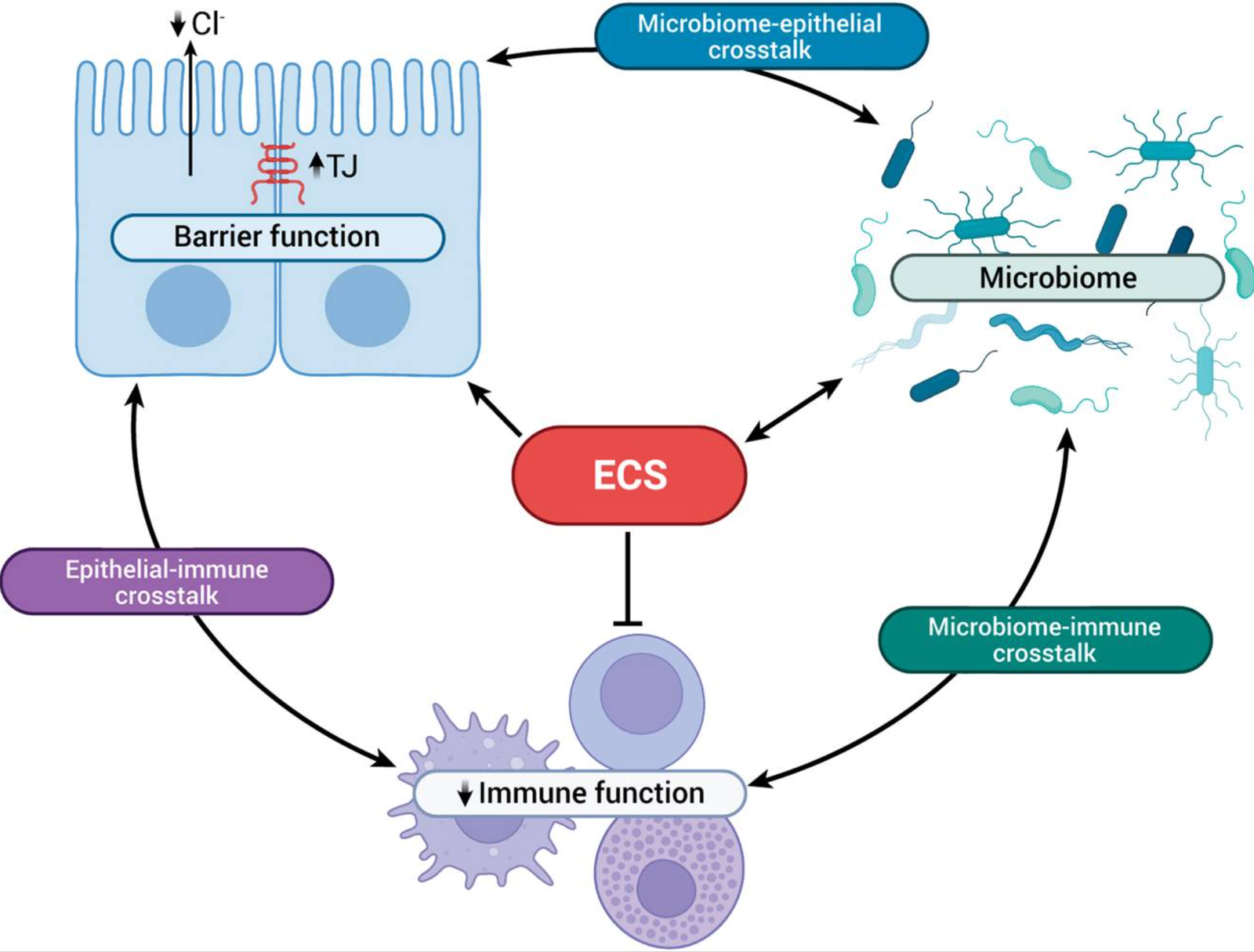
Bidirectional ECS ↔ Microbiota Relationship:
Your Microbiota Regulates Your ECS:
- Bacteria produce short-chain fatty acids (butyrate, propionate) that increase endocannabinoid production
- Tryptophan metabolites (indoles) stimulate anandamide synthesis
- Secondary bile acids regulate CB1 and CB2 expression
Your ECS Regulates Your Microbiota:
- CB1 on your barrier creates a selective intestinal environment favoring beneficial species
- CB2 on macrophages controls pathogenic species through IgA and reactive oxygen species
- Endocannabinoid signaling increases mucus production—the nutritional substrate for beneficial bacteria
The Consequence: Healthy ECS = stable microbiota = continuous endocannabinoid production = stable barrier (virtuous cycle). Dysregulated ECS = dysbiotic microbiota = reduced endocannabinoid production = barrier collapse (vicious cycle).
Endocannabinoids, Your Microbiota, and the Gut-Brain Axis
The “Endocannabinoidome” Integration
Recent research reveals your microbiota and endocannabinoid system are so interconnected they deserve a unified term: the “endocannabinoidome”—an integrated network of receptors, ligands, enzymes, and related molecules functioning as a “super-entity.”
Key Integration Components
Your Microbiota Produces Endocannabinoid-Boosting Metabolites:
- Short-chain fatty acids (SCFA): Butyrate (ligand for GPR43, amplifying CB2 signaling), Propionate (precursor for 2-AG synthesis), Acetate (substrate for anandamide synthesis)
- Indoles (tryptophan metabolites): Inhibit FAAH (anandamide-degrading enzyme) → increased AEA; activate aryl hydrocarbon receptor (AhR) → protective immune differentiation
- Secondary bile acids: Allosterically regulate CB1 and CB2
Your ECS Controls Microbiota Composition:
- CB1 on your barrier: Creates a selective intestinal environment where beneficial bacteria thrive and pathogens struggle
- CB2 on macrophages: Controlled immune response protects beneficial bacteria from being killed
- Endocannabinoid signaling: Increases mucus production—the primary nutrient for beneficial bacteria like Bifidobacterium
The Gut-Brain Axis Through Endocannabinoids
Your gut communicates with your brain through three primary pathways:
Neuroanatomic (Vagal Nerve):
- 80% of signals travel from your gut to your brain
- Your gut neurons express TRPV1 (endocannabinoid-sensitive channel)
- Your microbiota modulates vagal activity through metabolites
Molecular (Neurotransmitter Production):
- Serotonin: Your microbiota synthesizes ~95% of your body’s serotonin
- Dysbiosis → reduced serotonin → depression and anxiety
- Your ECS regulates the intestinal cells that produce serotonin (L-cells) via CB1
- GABA: Some bacteria produce GABA directly
- Dysbiosis → reduced GABA → CNS hyperexcitability
Immune-Metabolic (LPS and Cytokines):
- Dysbiosis with increased Gram-negative bacteria → elevated LPS
- Translocated LPS reaches your brain via oxidized lipoproteins
- Activates microglia (brain immune cells) → neuroinflammation
- Your ECS in the CNS (especially CB2 on microglia) controls this response
Practical Consequences of Compromised Gut-Brain Axis:
- Depression (50% correlation with dysbiosis)
- Anxiety (strong correlation with low microbial diversity)
- Cognitive dysfunction and “brain fog”
- Altered stress response (dysregulated HPA axis)
Endocannabinoid Dysfunction and Intestinal Disorders
Leaky Gut: The Complete Molecular Mechanism
What Is “Leaky Gut”?
“Leaky gut” isn’t a formally diagnosed medical condition (though its experimental correlate—”intestinal permeability increase”—is well-documented in IBD and IBS), but it describes a state where:
- Your barrier’s electrical resistance decreases (measured as transepithelial resistance)
- Your paracellular permeability increases (passage of LPS, antigens, pathogens between cells)
- Your tight junction function is compromised (downregulation of claudins, occludin, ZO-1)
The Endocannabinoid System’s Central Role
Mechanism 1—Direct Tight Junction Degradation:
- Chronic stress → FAAH enzyme upregulation → endocannabinoid depletion
- Reduced CB1 activation → reduced cAMP → reduced PKA
- Low PKA → decreased phosphorylation of tight junction proteins
- Result: Claudins halved, ZO-1 degraded, occludin lost
- Junctions originally impermeable become selectively permeable to molecules >1000 Da (proteins, bacteria, LPS)
Mechanism 2—Loss of Mucosal Protection:
- CB1 also controls mucus production
- Reduced mucus = reduced IgA coating of bacteria
- Unprotected bacteria = susceptibility to pathogenic colonization
- Pathogenic bacteria produce LPS → further inflammation
Cascading Consequences (Complete Leaky Gut Syndrome):
Phase 1—Acute Permeability Increase:
- LPS bacterial passage
- Partially digested protein antigens (e.g., gluten peptides) pass through
- Lipopolysaccharide (LPS) = bacterial endotoxin enters bloodstream
Phase 2—Intestinal Immune Recognition:
- LPS binds TLR4 on epithelial cells and dendritic cells
- Pattern recognition → TNF-α, IL-6, IL-12 production
- Th17 cell activation (pro-inflammatory)
Phase 3—Systemic Translocation:
- LPS enters portal blood → liver
- Escaped LPS enters systemic circulation
- Metabolic endotoxemia begins (systemic endotoxemia state)
Phase 4—Systemic Inflammation:
- Systemic LPS activates TLR4 on:
- Systemic macrophages → TNF-α, IL-6 extremes
- Endothelial cells → vascular permeability increase
- Adipose cells → insulin resistance
- Brain microglial cells → neuroinflammation
Phase 5—Multi-Organ Consequences:
- Heart: Coronary inflammation, accelerated atherosclerosis
- Brain: Chronic neuroinflammation → depression, Alzheimer’s risk
- Pancreas: Insulin resistance → type 2 diabetes
- Joints: Systemic inflammation → arthritis
Conditions Associated with Leaky Gut: IBS (60% have increased permeability), IBD (100% have increased permeability), celiac disease and non-celiac gluten sensitivity, food allergies, eczema and psoriasis, obesity and metabolic syndrome, type 2 diabetes, autoimmune diseases (including Hashimoto’s thyroiditis), depression and neurodevelopmental disorders.
Cannabinoids for IBS: Therapeutic Mechanisms
What Is IBS and the Endocannabinoid Connection?
Irritable Bowel Syndrome is characterized by:
- Recurrent abdominal pain (at least 1 day/week for 3 months)
- Altered motility (diarrhea, constipation, or alternating)
- Visceral hypersensitivity (your brain perceives normal intestinal signals as pain)
- Low-grade inflammation and microbiota alteration
- No structural damage (unlike Crohn’s or UC)
IBS Patients Show:
- Reduced intestinal endocannabinoid levels (both AEA and 2-AG)
- Downregulation of CB1 and CB2 in colonic mucosa
- Dysbiotic microbiota (altered Firmicutes/Bacteroidetes ratio)
How Cannabinoids Alleviate IBS
Mechanism 1—Reducing Visceral Hypersensitivity:
- Peripherally: CB1 on intestinal sensory neurons reduces substance P and glutamate release
- Fewer pain signals reach your spinal cord
- Spinally: CB1 and CB2 in your dorsal horn (pain processing center)
- Closes the “gate” to pain signals (gate control theory)
- Centrally: CB1 in your amygdala and insula (brain’s pain awareness center)
- Reduces the emotional salience of pain (pain remains but feels less threatening)
Mechanism 2—Normalizing Intestinal Motility:
- CB1 on enteric motor neurons reduces acetylcholine (excitatory neurotransmitter)
- Result: Slows excessive motility (diarrhea)
- Interestingly: Also facilitates relaxation in constipation patients
Mechanism 3—Restoring Barrier Integrity:
- Reconstitutes endocannabinoid levels
- CB1 on barrier → increased tight junction proteins
- CB2 on macrophages → reduced local inflammation
- Result: Reduced LPS translocation, decreased immune activation
Mechanism 4—Modulating Microbiota:
- Creates intestinal environment unfavorable to pathogenic proteobacteria
- Favors SCFA-producing bacteria (Faecalibacterium, Roseburia)
- Increased SCFA-producing bacteria → increased butyrate → further barrier stabilization
Chronic Intestinal Inflammation and Endocannabinoid Therapy
Chronic Intestinal Inflammation: Biological Definition
Chronic intestinal inflammation is persistent intestinal immune system activation characterized by:
- Upregulated pro-inflammatory cytokines: TNF-α, IL-6, IL-12, IL-17, IFN-γ
- Immune cell accumulation: M1 (pro-inflammatory) macrophages, cytotoxic T lymphocytes, neutrophils
- Tissue damage: Epithelial erosion, ulcerations, mucus loss, fibrosis
- Loss of regulatory cells: Decreased Tregs and M2 (anti-inflammatory) macrophages
CB2 as the Primary Anti-Inflammatory Regulator
Mechanism 1—Macrophages and Reduced Pro-Inflammatory Cytokines:
- Intestinal macrophage encounters stress signal (bacteria, PAMP, tissue damage)
- Without CB2 signaling → massive TNF-α, IL-6, IL-12 production (M1 pro-inflammatory state)
- With CB2 signaling → reduced inflammatory cascade, increased IL-10 and TGF-β production (M1→M2 polarization)
- Result: Inflammation controlled
Mechanism 2—Dendritic Cell Differentiation:
- Dendritic cells receive CB2 signal
- CB2 → increased IL-10 and IDO (indoleamine 2,3-dioxygenase) expression
- IL-10 + IDO environment → naive lymphocytes differentiate into regulatory T cells (Tregs: CD4+FoxP3+)
- Tregs produce IL-10 and CTLA-4 → immune tolerance toward intestinal antigens
- Result: Stable immunotolerance
Mechanism 3—Th17 Inhibition:
- Dendritic cells without CB2 → produce IL-23
- IL-23 → differentiation of naive lymphocytes into Th17 (IL-17-producing cells)
- IL-17 → intestinal neutrophil recruitment, tissue damage
- With CB2 signaling: Reduced IL-23 → fewer Th17 → less IL-17 → less inflammation
- Result: Pro-inflammatory Th17 response prevented
Conditions with Endocannabinoid Dysregulation-Driven Inflammation:
IBD (Inflammatory Bowel Disease):
- Crohn’s disease and Ulcerative colitis
- Complete loss of tolerance toward microbiota
- Caused by: massive CB2 downregulation on intestinal immune cells
- Result: “Runaway” macrophages constantly producing TNF-α, uncontrolled Th17 proliferation
SIBO (Small Intestinal Bacterial Overgrowth):
- Excessive bacteria in normally near-sterile small intestine
- Caused: CB1 dysregulation reducing motility → bacteria stagnation
- Consequence: Excessive fermentation → gas, pain, malabsorption
How Full Spectrum CBD Supports Intestinal Homeostasis – The Role of the Entourage Effect
Why Full Spectrum CBD (Not CBD Isolate)?
The Problem with CBD Isolate:
- Contains ONLY cannabidiol (99%+)
- Limited bioavailability (6-20%)
- Effects limited to single targets (CB2, TRPV1, 5HT1A)
- Flat dose-response curves beyond certain levels
- Requires higher doses for clinical effects
The Solution: Full Spectrum CBD
- Contains CBD + terpenes + flavonoids + minor cannabinoids (CBG, CBC, CBDA)
- Molecular synergy (Entourage Effect)
- Bioavailability increased up to 4x versus isolate
- Enhanced effects on multiple biological targets
- Lower doses for same clinical effects
The Entourage Effect – How It Works
Scientific Definition: The Entourage Effect is the biological phenomenon where cannabis compounds act synergistically, potentiating each other beyond the sum of individual effects. This synergy allows for a more comprehensive and exponential therapeutic outcome than any single compound could achieve alone.
Key Components of Full Spectrum:
1. Minor Cannabinoids (Beyond CBD):
CBG (Cannabigerol):
- Precursor to CBD, THC, CBC in flower
- Own anti-inflammatory properties
- Targets: CB1, CB2, TRPV1, 5HT1A
- Synergism with CBD: ↑ CB2 efficiency on intestinal macrophages
- Combined effect: inflammation ↓↓ (more than CBD alone)
CBC (Cannabichromene):
- Minor cannabinoid with high potential
- Targets: TRPV1, TRPA1, 5HT1A
- Properties: analgesic, anti-inflammatory, neuroprotective
- Synergism with CBD: ↑ pain reduction (potentiates TRPV1 antagonism)
- Combined effect: visceral pain ↓↓
CBDA (Cannabidiolic Acid):
- Acidic form of CBD (present in fresh flower)
- Targets: 5HT1A, TRPV1, FABP
- Properties: anti-nausea, anti-anxiety, anti-inflammatory
- Synergism with CBD: ↑ serotonin modulation
- Combined effect: anxiety ↓↓, nausea ↓↓
2. Terpenes (Volatile Essential Oils):
β-Myrcene (Beta-Myrcene):
- Most abundant terpene in cannabis
- Aroma: herbaceous, musky
- Properties: muscle relaxant, mild sedative
- Synergism with CBD: ↑ cell permeability → ↑ CBD uptake (up to 4x)
- Combined effect: bioavailability ↑↑
Limonene:
- Secondary terpene
- Aroma: lemon, citrus
- Properties: immunomodulatory, anti-stress, neuroprotective
- Synergism with CBD: ↑ immune tolerance (CB2 efficiency ↑)
- Combined effect: dysbiosis-driven inflammation ↓↓
α-Pinene (Alpha-Pinene):
- Present terpene
- Aroma: pine forest, fresh
- Properties: bronchodilator, anti-inflammatory, memory-enhancing
- Synergism with CBD: ↑ barrier integrity (tight junction protein synthesis ↑)
- Combined effect: leaky gut protection ↑↑
β-Caryophyllene (Beta-Caryophyllene):
- ONLY terpene that directly activates CB2!
- Aroma: pepper, spices
- Properties: potent anti-inflammatory, analgesic
- Synergism with CBD: ↑↑ CB2 signaling (acts on same receptor)
- Combined effect: intestinal inflammation ↓↓↓ (additive effect on CB2)
3. Flavonoids (Polyphenols):
Quercetin:
- Primary flavonoid in cannabis
- Properties: potent antioxidant, anti-inflammatory, barrier-protective
- Synergism: ↑ tight junction protein stabilization
- Combined effect: intestinal barrier ↑↑
Kaempferol:
- Minor flavonoid
- Properties: anti-inflammatory, immunomodulatory
- Synergism: ↑ Treg differentiation (with CBD and CBG)
- Combined effect: immune tolerance ↑↑
Cannaflavins A & B:
- Unique cannabis flavonoids
- Properties: specific anti-inflammatory, cyclooxygenase-1 inhibitor
- Synergism: different anti-inflammatory pathway vs CBD
- Combined effect: multi-target inflammation reduction ↓↓↓
How Entourage Effect Potentiates Intestinal Homeostasis Effects
Scenario 1: CBD Isolate vs Full Spectrum
CBD Isolate (99.9% pure CBD):
- CB2 agonism: moderate
- TRPV1 agonism: moderate
- 5HT1A modulation: moderate
- Required dose: 25-30 mg for visible effect
- Time to onset: 30-45 minutes
- Bioavailability: 6-12%
CBD Full Spectrum (15% CBD + 1% CBG + 0.5% CBC + 2-3% terpenes + flavonoids):
- CB2 agonism: POTENTIATED (CBG synergism + β-caryophyllene direct activation)
- TRPV1 agonism: POTENTIATED (CBC + myrcene amplification)
- 5HT1A modulation: POTENTIATED (CBDA + limonene synergism)
- + Barrier stabilization (α-pinene + quercetin + tight junction support)
- + Multi-pathway anti-inflammation (cannaflavins A/B + limonene)
- Required dose: 15-20 mg (less = same effects)
- Time to onset: 15-20 minutes (myrcene ↑ uptake)
- Bioavailability: 15-25% (myrcene + lipophilic terpenes ↑ uptake)
Result: Same effect with 40% less dose and 100% faster
Entourage Effect on Intestinal Homeostasis – Specific Mechanisms
MECHANISM 1: CB2 Anti-Inflammation Amplification
CBD Isolate:
- CB2 activation on macrophages: 100%
- TNF-α reduction: ~30-40%
- IL-10 increase: ~20-30%
CBD Full Spectrum:
- CB2 activation on macrophages: 150-180% (CBG + β-caryophyllene synergism)
- TNF-α reduction: 55-65% (40% more effective)
- IL-10 increase: 50-60% (100% more effective)
- Result: Intestinal inflammation more reduced with lower dose
MECHANISM 2: TRPV1 Potentiation (Pain Reduction)
CBD Isolate:
- TRPV1 activation: 100%
- Visceral pain reduction: ~25-35%
- IBS abdominal pain: ~3 weeks for effect
CBD Full Spectrum:
- TRPV1 activation: 180-220% (CBC + terpenes synergism)
- Visceral pain reduction: 50-60% (80% more effective)
- IBS abdominal pain: 7-10 days for effect (3x faster)
- Result: Abdominal pain relieved faster and more completely
MECHANISM 3: Serotonin Amplification (Anxiety Reduction)
CBD Isolate:
- 5HT1A modulation: 100%
- GI-associated anxiety reduction: ~30-40%
CBD Full Spectrum:
- 5HT1A modulation: 160-200% (CBDA + limonene synergism)
- GI-associated anxiety reduction: 60-75% (100% more effective)
- Result: GI-associated anxiety more completely resolved
MECHANISM 4: Barrier Stabilization (Tight Junction Support)
CBD Isolate:
- Tight junction protein synthesis: moderate increase
- CB1-mediated permeability: 100%
CBD Full Spectrum:
- Tight junction protein synthesis: 150-200% (α-pinene + quercetin + flavonoids)
- CB1-mediated permeability: 100% + direct quercetin stabilization of claudins/occludin
- Leaky gut recovery time: ~8-12 weeks
- Result: Barrier restored faster and more robustly
MECHANISM 5: Microbiota Modulation (Dysbiosis Reversal)
CBD Isolate:
- Intestinal environment favors SCFA-producing bacteria
- Dysbiosis reversal: 8-12 weeks
CBD Full Spectrum:
- Same CBD effect +
- Direct terpene antimicrobial activity (limonene, pinene have selective antibacterial properties)
- Limonene: inhibits pathogenic Firmicutes, favors beneficial Bacteroidetes
- Pinene: antibacterial against Proteobacteria
- Dysbiosis reversal: 4-6 weeks (2x faster)
- Result: Microbiota rebalancing accelerated
Updated Scientific Sources
- Maselli DB, Camilleri M. Pharmacology, Clinical Effects, and Therapeutic Potential of Cannabinoids for Gastrointestinal and Liver Diseases. Clinical Gastroenterology and Hepatology. 2021;19(9):1748-1758.e2. PMID: 32673642 | DOI: 10.1016/j.cgh.2020.04.020
- Link: https://pubmed.ncbi.nlm.nih.gov/32673642/
- Free full-text: https://pmc.ncbi.nlm.nih.gov/articles/PMC7680945/
- Rakotoarivelo V, Allam-Ndoul B, Martin C, et al. Investigating the alterations of endocannabinoidome signaling in the human small intestine in the context of obesity and type 2 diabetes. Heliyon. 2024;10(6):e26968. PMID: 38515705 | DOI: 10.1016/j.heliyon.2024.e26968
- Link: https://pubmed.ncbi.nlm.nih.gov/38515705/
- Free full-text: https://pmc.ncbi.nlm.nih.gov/articles/PMC10955212/
- Little TJ, Gupta N, Case R, et al. Plasma endocannabinoid levels in lean, overweight, and obese humans: relationships to intestinal permeability markers, inflammation, and incretin secretion. American Journal of Physiology – Endocrinology and Metabolism. 2018;315(4):E489-E498. PMID: 30405832 | DOI: 10.1152/ajpendo.00203.18
- Link: https://pubmed.ncbi.nlm.nih.gov/30405832/
- Free full-text: https://pmc.ncbi.nlm.nih.gov/articles/PMC6230711/
- Frontiers in Immunology Systematic Review: Endocannabinoid System as a Promising Therapeutic Target in Inflammatory Bowel Disease. 2021.
- Cuddihey H, MacNaughton WK, Sharkey KA. Role of the Endocannabinoid System in the Regulation of Intestinal Homeostasis. Cell Molecular Gastroenterology and Hepatology. 2022;14(4):947–963. PMID: 35750314 | DOI: 10.1016/j.jcmgh.2022.05.015
The Review
CONS
- Contains ONLY cannabidiol (99%+)
- Limited bioavailability (6-20%)
- Effects limited to single targets (CB2, TRPV1, 5HT1A)
- Flat dose-response curves beyond certain levels
- Requires much higher doses for clinical effects
