



















You know, our bodies are pretty amazing things. They’ve got all these systems working away in the background, keeping everything ticking over. One system that’s been getting a bit more attention lately is the endocannabinoid system, or ECS for short. It sounds complicated, but it’s actually a really important part of how we stay balanced. It’s like the body’s own internal regulator, and understanding it can shed some light on why we feel the way we do and how different things affect our health. We’ll take a look at what it is, what it does, and how we can help keep it in good shape.
Key Takeaways
-
The endocannabinoid system (ECS) is a complex network within our bodies that helps keep things stable.
-
It’s made up of three main parts: endocannabinoids (natural compounds our bodies make), cannabinoid receptors, and enzymes that manage them.
-
The ECS plays a role in many bodily functions, including mood, sleep, appetite, pain, and how our immune system works.
-
When the ECS isn’t working right, it can be linked to various health issues.
-
Looking after your ECS might involve things like diet and managing stress.
What is the Endocannabinoid System (ECS)?
Right then, let’s get stuck into the nitty-gritty of the Endocannabinoid System, or ECS for short. You might have heard of it in relation to cannabis, but the truth is, this system is entirely your own. It’s a complex network that’s been with us for ages, even before cannabis was a thing, and it plays a massive role in keeping everything ticking over nicely inside your body. Think of it as your internal maintenance crew, always on standby to sort things out.
The Three Key Components of the ECS
So, what exactly makes up this internal marvel? The ECS is generally understood to have three main players:
-
Endocannabinoids: These are the “cannabinoids” your body makes itself. The two main ones are anandamide (often called the “bliss molecule”) and 2-arachidonoylglycerol (2-AG). They’re like little messengers, produced when needed.
-
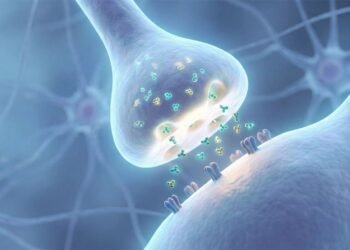
Cannabinoid Receptors: These are like docking stations for the endocannabinoids. The most well-known are CB1 and CB2 receptors, found all over your body, not just in your brain. They’re where the endocannabinoids do their work.
-
Enzymes: These are the clean-up crew. They get busy breaking down the endocannabinoids once they’ve done their job, making sure the system doesn’t get overloaded.
How the ECS Works: Maintaining Homeostasis
The primary job of the ECS is to keep things balanced – a state known as homeostasis. It’s constantly monitoring and adjusting various bodily functions to ensure everything is running smoothly. When something’s a bit off, like you’re stressed or feeling pain, your body can ramp up the production of endocannabinoids to help bring things back to normal. They travel backwards across nerve endings (retrograde signalling) to tell the sending neuron to chill out, essentially reducing the release of other signals. This helps to calm things down, reduce inflammation, and manage pain.
Essentially, the ECS acts like a sophisticated thermostat for your body, constantly making tiny adjustments to keep your internal environment stable and healthy, no matter what’s going on outside.
It’s a pretty clever system, and understanding its components and how it works is the first step to appreciating just how much it influences your day-to-day health and well-being.
The ECS and Its Influence on Various Bodily Functions
Right then, let’s get stuck into how this amazing Endocannabinoid System (ECS) actually keeps us ticking over. It’s not just some abstract concept; it’s involved in pretty much everything that makes us feel like ourselves. Think of it as the body’s internal balancing act, constantly working behind the scenes to keep things running smoothly. The ECS and human health connection is really quite profound when you start to look at it.
Mood and Mental Well-being
Ever wondered why some days you just feel ‘off’, or why you can bounce back from a stressful situation? Your ECS plays a big part in that. It helps regulate our emotions and how we respond to stress. When it’s working well, it contributes to a more stable mood and a general sense of well-being. It’s fascinating how ECS affects well-being on such a deep level, influencing everything from feeling calm to experiencing joy.
Sleep Regulation
Getting a good night’s kip is so important, isn’t it? The ECS is a key player in our sleep-wake cycles. It helps us drift off and stay asleep by influencing the natural rhythms that govern our rest. If your sleep is all over the place, it might just be your ECS sending out mixed signals.
Appetite and Digestion
That feeling of being peckish, or feeling satisfied after a meal? Yep, the ECS is involved. It helps manage hunger signals and plays a role in how our digestive system works, making sure nutrients are processed and absorbed properly. It’s all about keeping that gut happy and functioning as it should.
Pain Perception and Inflammation
When you stub your toe or feel a niggle of pain, your ECS kicks in. It’s involved in how we perceive pain and also helps to manage inflammation in the body. It’s like a built-in system to try and calm things down and reduce discomfort when something’s not quite right.
Immune System Function
Our immune system is our defence force, and the ECS is one of its supervisors. It helps to keep the immune system in check, making sure it responds appropriately to threats without overreacting. This means it’s involved in managing inflammation and ensuring our body’s defences are working smartly, not just aggressively.
When the ECS is Out of Balance

So, what happens when this finely tuned system, the endocannabinoid system (ECS), isn’t quite hitting the right notes? Well, it’s a bit like an orchestra where some instruments are playing too loud, others too soft, and a few have gone completely off-key. The ECS has a pretty big role of ECS in maintaining balance throughout our bodies, and when that balance is disrupted, it can lead to all sorts of issues.
Think about it – if the ECS is a bit sluggish, it might struggle to keep inflammation in check. This could contribute to those nagging aches and pains or even more serious inflammatory conditions. On the flip side, an overactive ECS might dampen down responses that are actually needed. It’s a delicate dance, and when the music falters, we can feel the effects.
This imbalance isn’t just about physical discomfort. It can really mess with our heads too. We’re talking about links to things like anxiety and depression, where the ECS might not be signalling quite right to help regulate our mood and stress responses. It’s not a simple cause-and-effect, but a dysregulation here can certainly play a part.
Here are a few areas where an out-of-kilter ECS might show up:
-
Mood and Mental Well-being: Feeling persistently low, anxious, or finding it hard to cope with stress could be linked to ECS signalling issues.
-
Pain Perception: Chronic pain that doesn’t seem to have a clear cause might indicate the ECS isn’t effectively managing pain signals.
-
Sleep Disturbances: Difficulty falling asleep, staying asleep, or just not feeling rested could be a sign that the ECS isn’t regulating sleep cycles properly.
-
Digestive Issues: Problems like irritable bowel syndrome (IBS) or general digestive upset have also been associated with ECS dysfunction.
It’s important to remember that the ECS is incredibly complex. When it’s not working as it should, it’s not usually down to just one thing. A combination of factors, like stress, diet, and genetics, can all contribute to throwing it off balance.
The key takeaway is that a well-functioning ECS is vital for keeping many of our bodily systems running smoothly. When it’s out of sync, it can open the door to a range of health problems, both physical and mental.
Supporting Your Endocannabinoid System
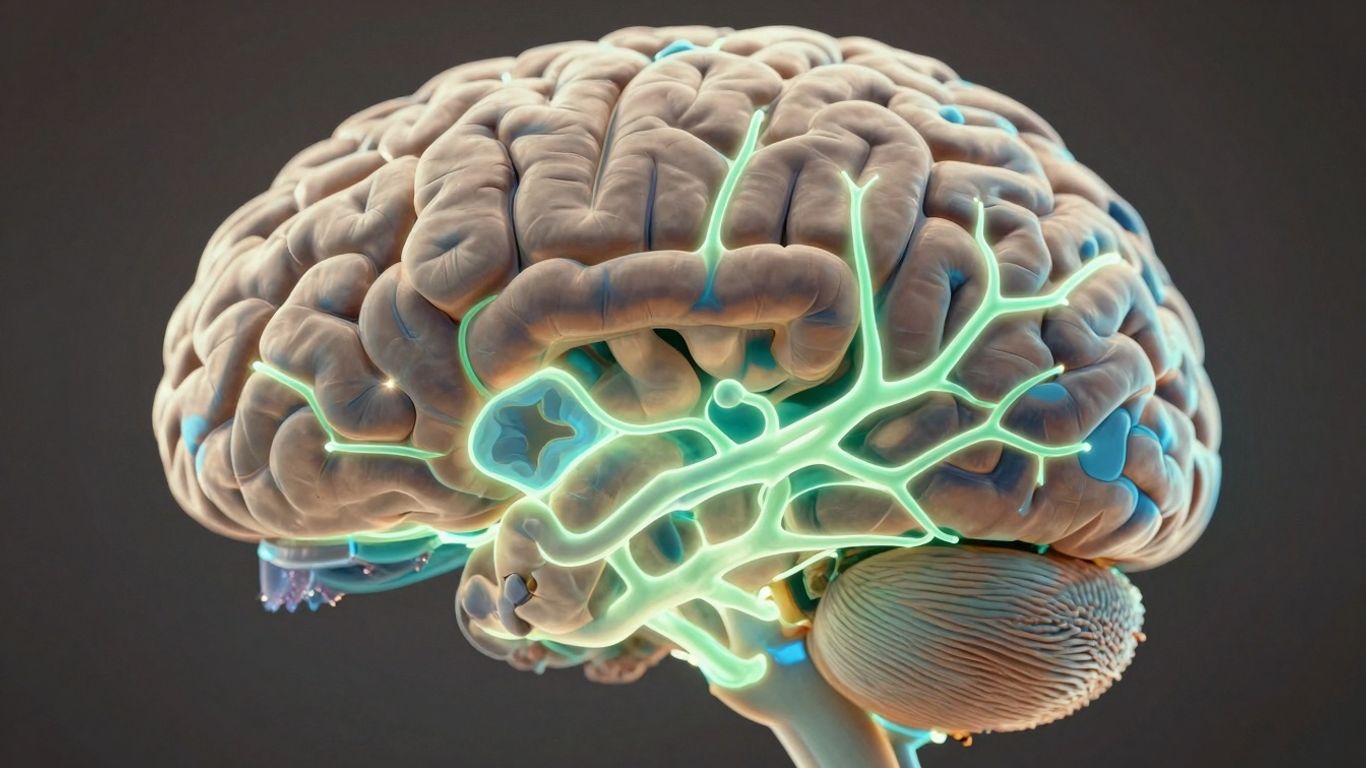
So, we’ve talked about what the endocannabinoid system (ECS) is and how it keeps things running smoothly. But what can we actually do to help it out? It’s not just about waiting for things to go wrong; there are ways to support this amazing internal network. Understanding the body’s cannabinoid system is the first step towards helping it function at its best.
Think of your ECS like a finely tuned orchestra. It needs all its instruments playing in harmony to create beautiful music. When things are out of tune, the music suffers. Several factors can impact the endocannabinoid system, and being aware of them is key. These include things like stress levels, diet, exercise, and even environmental factors.
Here are a few practical ways to give your ECS a helping hand:
-
Eat well: Your body makes its own cannabinoids, but the building blocks for these come from your diet. Foods rich in omega-3 and omega-6 fatty acids, like fatty fish, nuts, and seeds, are thought to be particularly beneficial. Think of it as providing the best ingredients for your internal chefs.
-
Move your body: Regular physical activity, especially moderate exercise, can help keep your ECS balanced. It’s not about running marathons unless that’s your thing; even a brisk walk can make a difference.
-
Manage stress: Chronic stress is a known disruptor of the ECS. Finding healthy ways to cope, whether it’s through mindfulness, yoga, spending time in nature, or simply taking a few deep breaths, can really help.
-
Get enough sleep: Sleep is when your body does a lot of its repair work, and the ECS plays a role in regulating sleep cycles. Aim for consistent, quality sleep.
It’s important to remember that the ECS is a complex system, and while we can support it through lifestyle choices, it’s not a one-size-fits-all situation. What works wonders for one person might be less effective for another. Paying attention to your own body’s signals is really important.
While research is ongoing, and we’re still learning a lot about the ECS, taking a proactive approach to your well-being can have a positive impact. By making conscious choices about what you eat, how you move, and how you manage stress, you’re essentially helping your body’s own internal balancing act.
Conclusion: The Vital Role of the ECS in Your Health
So, we’ve journeyed through the fascinating world of the endocannabinoid system (ECS), and it’s clear this intricate network is far more than just a passing curiosity. It’s a fundamental regulator, working tirelessly behind the scenes to keep our bodies in a state of balance, or homeostasis. Think of it as the body’s own internal maintenance crew, constantly making tiny adjustments to ensure everything runs smoothly, from our mood and sleep patterns to how we process food and even how we feel pain.
The ECS is, in essence, a master conductor, orchestrating a symphony of physiological processes to maintain our overall well-being. When this system is functioning as it should, we often don’t even notice it. It’s only when things go a bit awry that we might start to experience the consequences, whether that’s feeling more stressed, struggling to sleep, or dealing with discomfort.
Understanding the ECS highlights how interconnected our bodily systems truly are. It’s a reminder that our health isn’t just about individual parts, but how they all work together.
The ECS is present in virtually every cell in our body, demonstrating its widespread influence. It’s not just a brain thing; it’s a whole-body phenomenon that impacts everything from our gut to our immune responses.
While we’ve touched on various aspects, remember that the ECS is involved in a multitude of functions, including:
-
Regulating our stress responses and emotional states.
-
Managing appetite and ensuring proper digestion.
-
Influencing our perception of pain and inflammatory processes.
-
Playing a role in immune system activity.
-
Supporting healthy sleep cycles.
It’s a complex system, and research is continually uncovering more about its nuances. What’s becoming increasingly apparent is that supporting our ECS, through lifestyle choices like diet and stress management, could be a key strategy for maintaining good health. It’s a truly remarkable system, quietly working to keep us feeling our best.
So, What’s the Takeaway?
Right then, we’ve had a good look at the endocannabinoid system, or ECS as we’ve been calling it. It’s pretty amazing, isn’t it? This internal network is basically keeping everything running smoothly, from how we feel to how our bodies deal with stress and even how we sleep. It’s not some weird, alien thing; it’s a natural part of us, and it’s been with us all along. Understanding it gives us a better idea of how our bodies work and why things sometimes go a bit wonky. It also sheds some light on why things like diet can have such an impact on our general well-being. It’s a complex system, for sure, but knowing the basics is a good start to appreciating how interconnected everything is.