

















In brief: The entourage effect describes how cannabinoids and terpenes in cannabis may work together to produce effects greater than any single compound alone. A 2023 study published in Biochemical Pharmacology provided the first receptor-level evidence: cannabis terpenes activate CB1 receptors at 10–50% of THC potency, and several synergize with THC beyond additive effects (Raz et al., 2023). The mechanism behind this — and what it means for choosing between full spectrum and isolate products — is worth understanding.
This article is based on published scientific research and does not constitute medical advice. All findings are attributed to their original sources.
Most people assume that the terpenes in cannabis are there for the scent — the pine, the citrus, the pepper. A 2023 study published in Biochemical Pharmacology found something far more interesting: every cannabis terpene tested activated the CB1 cannabinoid receptor on its own, at 10–50% of the potency of THC itself (Raz et al., 2023). Several of these terpenes, when combined with THC at ratios naturally found in the plant, amplified receptor activation beyond what either compound achieved alone.
That finding — the first controlled, receptor-level evidence for what scientists call the entourage effect — arrived more than a decade after the hypothesis was formally proposed. The concept that cannabis compounds work better together than in isolation has been one of the most debated ideas in cannabinoid science since it was coined in 1998. Today, CBD is one of the most actively studied cannabinoids in the world, and the entourage effect sits at the heart of why full spectrum formulations exist. This article reflects research available as of March 2026.
What this article covers:
- Cannabis terpenes activate CB1 receptors at 10–50% of THC potency, and some synergize with THC beyond additive effects — the first receptor-level confirmation of the entourage effect (Raz et al., 2023)
- The entourage effect was hypothesized in 1998 and comprehensively mapped by Ethan Russo in a landmark 2011 review — it took 12 more years to test it at the receptor level
- β-Caryophyllene, found in black pepper and cannabis, is a confirmed CB2 receptor agonist — a dietary cannabinoid with no psychoactive effects and a rapidly growing evidence base
- How a 2023 Israeli study changed researchers’ understanding of whether terpenes are passengers or active participants in cannabis pharmacology — and why not all proposed synergies have held up
- After reading, you will be able to evaluate the scientific basis for full spectrum CBD products and understand what “entourage effect” means beyond marketing language
What Is the Entourage Effect — and Where Did the Idea Come From?
The terpene findings from 2023 did not emerge from nowhere. They arrived at the end of a 25-year research trajectory — one that began with an observation about the body’s own cannabinoid system and grew into one of the most consequential hypotheses in plant pharmacology.
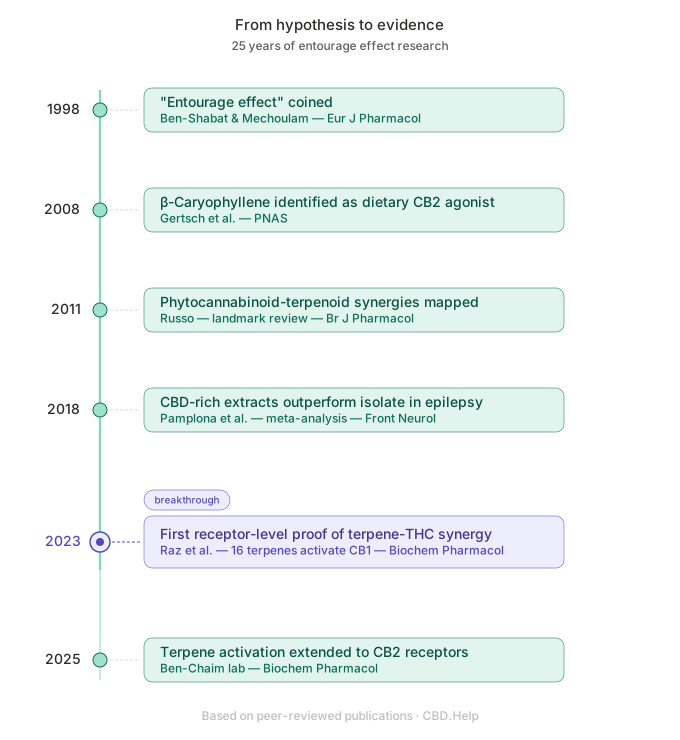
The term “entourage effect” was introduced in a 1998 paper published in the European Journal of Pharmacology by Shimon Ben-Shabat, Raphael Mechoulam, and colleagues. The researchers observed that certain inactive fatty acid compounds in the body enhanced the activity of the endocannabinoid 2-AG at cannabinoid receptors (Ben-Shabat et al., 1998). These “entourage” compounds did nothing on their own. Together with 2-AG, they amplified its effects significantly.
Mechoulam and Ben-Shabat then posed a broader question: could the same principle apply to the cannabis plant itself? Their qualification was careful — they described the idea as “not experimentally based” at the time. But they noted something that would prove prescient: plants may sometimes function as better medicines than the individual molecules extracted from them.
Early evidence was suggestive. A 1974 study found that cannabis extracts produced effects two to four times greater than equivalent doses of pure THC in both animals and humans (Carlini et al., 1974). Something beyond THC appeared to be contributing. But what, exactly, remained unclear for decades — and the overwhelming majority of cannabis research continued to focus on THC in isolation.
Russo’s 2011 Landmark Review
The idea moved from a suggestive hypothesis to a structured scientific programme in 2011, when neurologist Ethan Russo published a comprehensive review in the British Journal of Pharmacology titled “Taming THC: potential cannabis synergy and phytocannabinoid-terpenoid entourage effects” (Russo, 2011). The paper was ambitious in scope. Russo systematically catalogued the pharmacological properties of eight cannabis terpenoids — limonene, myrcene, α-pinene, linalool, β-caryophyllene, caryophyllene oxide, nerolidol, and phytol — and proposed specific combinations with cannabinoids that might produce therapeutic synergy across conditions including pain, anxiety, depression, addiction, epilepsy, acne, and bacterial infections.
What made the review remarkable was not just its breadth but its argument: that cannabis science had been asking the wrong question. Instead of isolating THC and studying it alone, researchers should be investigating how the plant’s full chemical profile — cannabinoids and terpenoids together — produces its effects. Russo drew on evidence from pharmacology, ethnobotany, and even historical antidotes to cannabis intoxication (lemon, pine nuts, black pepper — all rich in specific terpenes) to build a case for synergy that was both scientifically grounded and narratively compelling.
The review has since been cited over 3,500 times. It shifted the scientific conversation from a THC-centric model to a whole-plant framework — and it gave the full spectrum CBD industry its core scientific rationale.
But there was a significant gap. Russo’s proposed synergies were, in 2011, largely theoretical. The terpenoid pharmacology he cited came from studies on lavender, citrus oils, and black pepper — not from direct measurements of terpene-cannabinoid interactions at the receptor level. That evidence would take another 12 years to arrive.
Key takeaway: The entourage effect is a 25-year-old scientific hypothesis proposing that cannabis compounds work better together than alone — supported by early observations and systematically mapped by Russo in 2011, but not directly tested at the receptor level until 2023.
Do Terpenes Actually Activate Cannabinoid Receptors?
For all its influence, Russo’s hypothesis faced a serious challenge. If terpenes were genuinely contributing to the entourage effect, they needed to interact with the endocannabinoid system in some measurable way. For years, direct evidence of this was either absent or contradictory.
A widely discussed 2020 study tested five cannabis terpenes — myrcene, α-pinene, β-pinene, β-caryophyllene, and linalool — and found that none of them activated CB1 or CB2 receptors, nor did they modulate THC’s receptor activity in the assays used (Santiago et al., 2020). The result was interpreted by some as evidence against the entourage effect, and it reinforced scepticism in parts of the pharmacological community. Had the most cited hypothesis in cannabis science been wrong?
Here is where the story gets interesting.
The 2023 Breakthrough — Raz et al.
In April 2023, a team led by Yair Ben-Chaim at the Open University of Israel published a study in Biochemical Pharmacology that used a different — and more sensitive — experimental approach. Instead of the binding assays used in previous studies, Raz and colleagues employed a heterologous expression system: they co-expressed human CB1 receptors and G protein-activated potassium (GIRK) channels in frog oocytes, then measured actual receptor-mediated electrical currents triggered by each compound. This method detects functional receptor activation, not just binding (Raz et al., 2023).
They tested sixteen cannabis terpenes individually, THC alone, and THC-terpene mixtures at ratios similar to those found naturally in the plant.
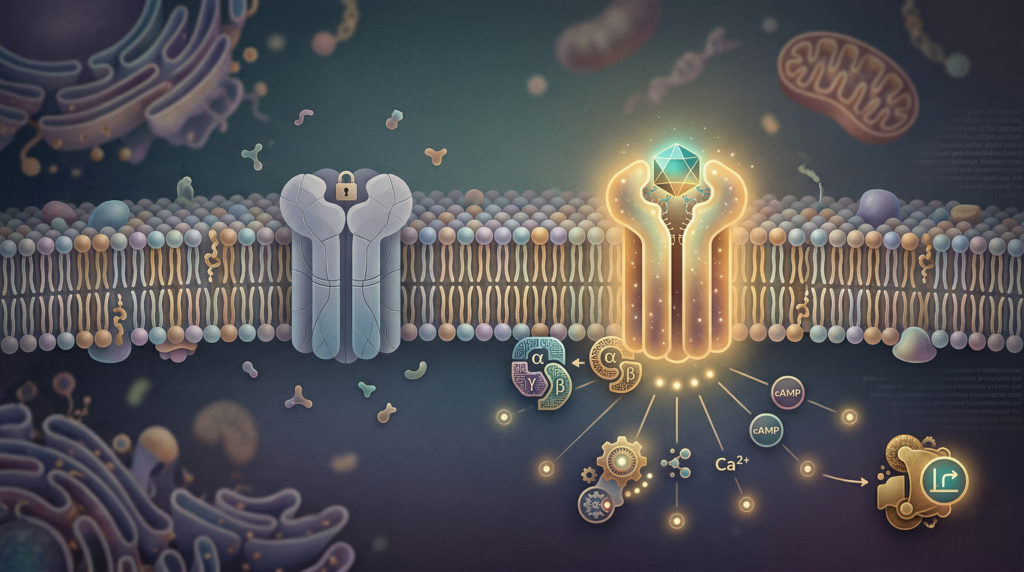
The results were striking. Every terpene tested activated the CB1 receptor on its own, generating currents ranging from 10% to 50% of THC’s activation level. That alone was significant — it meant terpenes were not pharmacologically inert passengers in the cannabis plant. They were, at minimum, weak partial agonists at the same receptor THC acts on.
But the more consequential finding concerned the mixtures. When seven of the sixteen terpenes — borneol, geraniol, limonene, linalool, ocimene, sabinene, and terpineol — were combined with THC at a 1:10 terpene-to-THC ratio (reflecting natural plant composition), the resulting CB1 activation was significantly greater than THC alone. For some terpenes, the combined activation exceeded the sum of the individual activations — the pharmacological definition of synergy, not merely additive effects.
And this is where the research gets particularly compelling.
2025 Follow-Up — Extending to CB2
A follow-up study from the same laboratory, published in late 2025, extended the investigation to CB2 receptors — the cannabinoid receptor subtype primarily associated with immune function and inflammation rather than psychoactivity. The researchers found that cannabis terpenes also activated CB2 receptors in a dose-dependent manner, reaching 10–60% of the activation produced by THC. This was the first study to characterise terpene interactions with CB2, and it significantly broadened the mechanistic basis for the entourage effect beyond the psychoactive domain.
Why did the Raz team detect receptor activation where Santiago et al. in 2020 did not? The answer likely lies in methodology. The 2023 study used a functional assay measuring downstream signalling (ion channel currents), which can detect low-potency partial agonism that binding assays may miss. The distinction matters: a compound can activate a receptor weakly enough to escape detection in one assay format while producing measurable functional effects in another.
The bottom line: Since 2023, direct experimental evidence confirms that cannabis terpenes activate both CB1 and CB2 receptors and can synergize with THC at concentrations naturally present in the plant — moving the entourage effect from theoretical hypothesis to measured receptor pharmacology.
β-Caryophyllene — The Dietary Cannabinoid
The receptor findings from 2023 and 2025 involved multiple terpenes. But one cannabis terpenoid had already been identified as a cannabinoid receptor agonist — with far greater potency than any of its monoterpenoid counterparts — more than a decade earlier. Its story illustrates exactly why the entourage concept matters.
β-Caryophyllene is a sesquiterpene. You encounter it daily without knowing — it is a primary component of black pepper, cloves, cinnamon, oregano, rosemary, and hops. It is the compound largely responsible for the peppery bite in freshly cracked black pepper. In cannabis, it is typically the most abundant terpenoid in extracts that have been heated for decarboxylation, which is precisely how most consumer CBD products are processed.
In 2008, a team led by Jürg Gertsch at ETH Zürich published a study in the Proceedings of the National Academy of Sciences demonstrating that β-caryophyllene is a selective full agonist at the CB2 cannabinoid receptor, with binding at 100 nM (Gertsch et al., 2008). That made it the first phytocannabinoid identified outside the cannabis genus — a dietary compound, already classified as Generally Recognized as Safe (GRAS) as a food additive, that activated the same receptor system targeted by cannabinoids.
The distinction between CB1 and CB2 matters enormously here. CB1 receptors, concentrated in the brain, mediate the psychoactive effects of THC. CB2 receptors, primarily expressed in immune cells and peripheral tissues, mediate anti-inflammatory and immunomodulatory effects without producing a high. A selective CB2 agonist with no psychoactivity and no abuse liability is, pharmacologically, an exceptional combination.
Subsequent research confirmed this profile. A study demonstrated that β-caryophyllene produced anti-inflammatory analgesia at doses as low as 5 mg/kg in wild-type mice — an effect completely absent in CB2 knockout mice, confirming the receptor mechanism (Gertsch, 2008). Since then, the compound has been investigated in dozens of preclinical models spanning pain, anxiety, depression, neuroinflammation, metabolic syndrome, and addiction.
What does this mean for someone considering a full spectrum CBD product? In practical terms, β-caryophyllene is likely present in any full spectrum extract that has been decarboxylated — and it is contributing CB2 receptor activation that pure CBD isolate does not provide.
A 2024 review published in the International Journal of Molecular Sciences summarised the growing evidence base for β-caryophyllene in emotional and cognitive disorders, highlighting its anti-inflammatory and neuroprotective properties and noting early clinical formulations now in development (Ricardi et al., 2024). A 2022 clinical trial involving 30 patients found that a polyherbal formulation containing β-caryophyllene significantly improved clinical assessment parameters in children with autism spectrum disorder — one of the first pieces of human clinical data for this compound.
The research trajectory is clear. In Russo’s 2011 review, β-caryophyllene was flagged as a promising dietary CB2 agonist based on a single landmark study. Fourteen years later, it is backed by an extensive preclinical literature, early clinical data, and dedicated pharmaceutical formulations. That progression — from a hypothesis in a review paper to a compound with its own clinical pipeline — is one of the most compelling validations of the entourage concept.
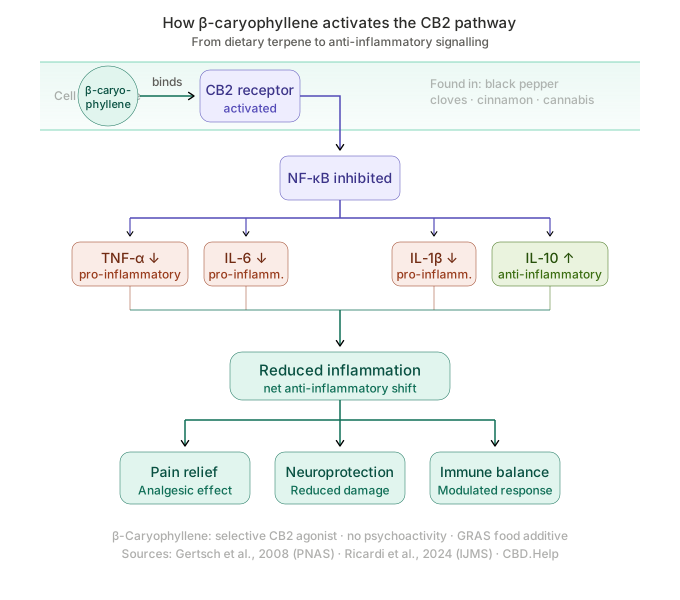
Why it matters: β-Caryophyllene is a dietary compound present in everyday spices and in full spectrum cannabis extracts — and it activates the CB2 cannabinoid receptor with a potency and selectivity that has attracted serious pharmaceutical interest, entirely without psychoactive effects.
Full Spectrum vs. Isolate — Does the Evidence Support a Difference?
So what does all of this mean when you are standing in front of two CBD products — one labelled “full spectrum” and one labelled “isolate” — trying to decide which one is worth your money? The receptor science is compelling. But does it translate into a measurable difference in how these products perform?
A 2023 pharmacokinetic study published in the European Journal of Drug Metabolism and Pharmacokinetics offered one of the clearest pieces of evidence to date. Researchers at the University of Florida compared commercially available CBD isolate, broad-spectrum, and full-spectrum products administered orally to rats. The full-spectrum product — containing 3.1% CBD along with 0.2% THC, terpenes, and minor cannabinoids — produced 12% higher oral bioavailability in male rats and 21% higher in female rats compared to the isolate (Berthold et al., 2023). In vitro permeability assays confirmed the mechanism: the presence of THC increased CBD’s intestinal permeability while reducing its efflux through the gut wall.

That finding matters because bioavailability determines how much of the compound actually reaches your bloodstream. A full spectrum CBD oil does not simply contain more types of compounds — it may deliver its CBD more efficiently than an equivalent dose of isolate.
Earlier evidence pointed in the same direction. A 2015 preclinical study from the Lautenberg Centre at the Hebrew University of Jerusalem found that a CBD-rich whole plant extract produced a stronger anti-inflammatory response than pure CBD at the same dose — and that the extract’s effect increased with dose, while pure CBD’s effect followed a bell-shaped curve that diminished at higher amounts (Gallily et al., 2015). A 2010 clinical trial in cancer pain patients found that a THC+CBD oromucosal extract significantly reduced pain where a THC-only extract failed to distinguish from placebo (Johnson et al., 2010). CBD appeared to be a critical factor — the combination achieved what neither compound accomplished alone.
As with any wellness decision, consulting a healthcare provider is recommended — particularly for those on existing medication.
The Critical Perspective
Scientific honesty requires presenting the full picture. The entourage effect is not a settled fact in clinical medicine — it is a hypothesis with growing mechanistic support but limited controlled human evidence. Several recent reviews have sharpened this distinction.
A 2023 narrative scoping review published in Cannabis and Cannabinoid Research — authored by a team including José Alexandre Crippa, one of the leading clinical CBD researchers — concluded that while the entourage effect is recognised as a synergistic phenomenon, the literature provides limited evidence to support it as a “stable and predictable” clinical occurrence. The authors cautioned against premature promotion of the concept, particularly in marketing (Simei et al., 2023).
A 2023 scoping review in Biomedicines added further nuance. Christensen and colleagues argued that the term “entourage effect” conflates several distinct pharmacological phenomena — synergy, bio-enhancement, polypharmacology — and that cannabis compounds can antagonise each other as well as cooperate. The review proposed that traditional pharmacological frameworks, rather than a single umbrella term, would more accurately describe what is happening in multi-compound cannabis preparations (Christensen et al., 2023).
And a 2024 systematic review in Pharmaceuticals tested specific synergies Russo had proposed. Not all held up. The review found no evidence for neuroprotective effects of α-pinene and β-pinene against β-amyloid-mediated toxicity. Myrcene combined with CBD did not produce significant additional anti-inflammatory benefit beyond CBD alone (André et al., 2024). The entourage effect, it appears, is real at the receptor level — but selective, not universal.
This is a useful distinction. The conventional pharmaceutical model — one molecule, one target, one disease — has produced extraordinary medicines. But it has also produced side-effect profiles that drive many patients to explore alternatives. The multi-compound approach represented by full spectrum cannabis preparations operates on a different logic: multiple compounds acting on multiple targets simultaneously, with the potential for both synergy and buffering of adverse effects. Neither model is inherently superior. They are different strategies, and the evidence for each should be evaluated on its own terms.
| Study | Year | Type | Key Finding | Impact |
|---|---|---|---|---|
| Gertsch et al. | 2008 | In vitro / in vivo | β-Caryophyllene is a selective full CB2 agonist at 100 nM | Confirms — first dietary phytocannabinoid |
| Johnson et al. | 2010 | RCT (human) | THC+CBD extract reduced cancer pain; THC-only extract did not | Confirms — CBD synergy with THC in humans |
| Russo | 2011 | Narrative review | Proposed systematic phytocannabinoid-terpenoid synergies across conditions | Foundational hypothesis |
| Santiago et al. | 2020 | In vitro | Five terpenes did not activate CB1/CB2 in binding assays | Challenges — but methodological differences may explain result |
| Raz et al. | 2023 | In vitro (functional assay) | All 16 terpenes activated CB1; 7 synergized with THC at natural ratios | Confirms — first receptor-level evidence for synergy |
| Berthold et al. | 2023 | Pharmacokinetic (rat) | Full spectrum CBD: 12–21% higher bioavailability than isolate | Confirms — pharmacokinetic dimension of entourage |
| Christensen et al. | 2023 | Scoping review | Entourage effect conflates multiple pharmacological phenomena; compounds can also antagonise | Nuances — reframes through polypharmacology lens |
| Simei et al. | 2023 | Narrative scoping review | Entourage effect recognised but not demonstrated as stable or predictable clinically | Nuances — cautions against premature promotion |
| André et al. | 2024 | Systematic review (PRISMA) | Some proposed synergies not confirmed (pinene + β-amyloid; myrcene + CBD anti-inflammatory) | Nuances — entourage is selective, not universal |
| Ben-Chaim lab | 2025 | In vitro (functional assay) | Terpenes also activate CB2 receptors (10–60% of THC), first CB2 characterisation | Expands — broadens entourage beyond CB1 |
What this means in practice: The evidence for the entourage effect is strongest at the receptor and pharmacokinetic level — terpenes activate cannabinoid receptors, certain combinations synergize, and full spectrum products deliver CBD more efficiently than isolate. Clinical evidence in humans remains early-stage, and not every proposed synergy has held up. The honest answer is that the entourage effect is real, measurable, and selective — not magical, universal, or fully understood.

Which Terpenes Matter Most — and What Do They Do?
Now that the question of whether terpenes are pharmacologically active has been answered — they are — the next question becomes more specific. Which ones should you know about, and what does each one contribute?
Cannabis produces over 200 terpenoids, but most appear in trace quantities. A handful dominate the plant’s essential oil profile and have received enough research attention to draw meaningful conclusions. Here are the six most consequential, based on both the Russo 2011 framework and subsequent evidence.
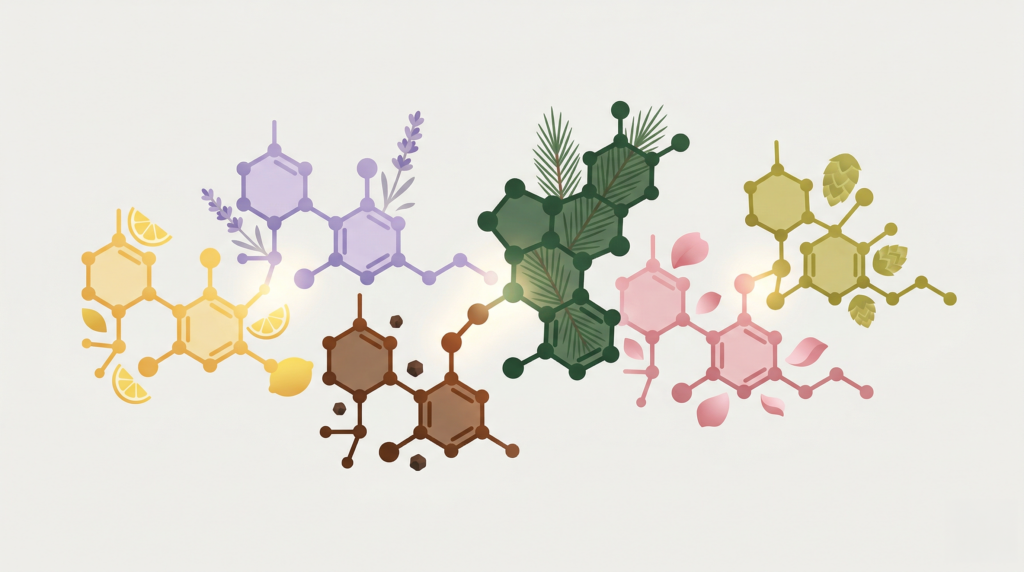
| Terpene | Also Found In | Key Properties | Synergy with THC at CB1 (Raz 2023) | Evidence Level |
|---|---|---|---|---|
| β-Caryophyllene | Black pepper, cloves, cinnamon | Selective CB2 agonist, anti-inflammatory, analgesic, anxiolytic | Not tested (solubility limitation) | Strong preclinical; early clinical |
| Limonene | Citrus peel, juniper | Anxiolytic, antidepressant, anti-cancer (apoptosis), gastro-protective | Yes — synergistic | Moderate (human depression study, Komori 1995) |
| Linalool | Lavender, basil, coriander | Anxiolytic, sedative, local anaesthetic, anticonvulsant | Yes — synergistic | Moderate (multiple animal studies, human aromatherapy) |
| Myrcene | Hops, lemongrass, mango | Sedative, muscle relaxant, analgesic, anti-inflammatory | Tested — additive, not synergistic | Moderate (animal models; sedation in hops preparations) |
| α-Pinene | Pine, rosemary, eucalyptus | Bronchodilator, anti-inflammatory, acetylcholinesterase inhibitor, antibiotic | Tested — additive | Moderate (human bronchodilation; memory in animal models) |
| Geraniol | Rose, geranium, citronella | Anti-inflammatory, antioxidant, neuroprotective | Yes — synergistic | Preliminary (mainly animal models) |
Several patterns emerge from this table. The terpenes that demonstrated synergy with THC at CB1 in the Raz 2023 study — limonene, linalool, geraniol, borneol, ocimene, sabinene, and terpineol — are not necessarily the most abundant terpenes in cannabis. Myrcene and α-pinene, which are often the dominant monoterpenes in fresh cannabis flower, showed additive rather than synergistic effects. This is a significant finding. It suggests that achieving synergy is not simply a matter of preserving the “whole plant” profile — it may depend on which specific terpenes are present and in what ratios.
Russo’s 2011 review proposed that different terpene-cannabinoid combinations could be tailored to different conditions: CBD + limonene + linalool for anxiety, CBG + pinene for antibacterial applications, CBD + linalool for anti-inflammatory skin applications. The 2023 receptor data partially validates this vision — the most effective terpenes for CB1 synergy have indeed been identified, and they are not all the same ones. But it also refines it: some proposed combinations performed better than others, and the assumption that “more terpenes = more entourage” does not hold universally.
What does the future look like? The Raz team’s own conclusion points the way. They noted that “for enhanced therapeutic effects, desired compositions are attainable by enriching extracts with selected terpenes” — suggesting that the next generation of cannabis-based products may move beyond generic “full spectrum” toward terpene-optimised formulations designed for specific outcomes. That is a research frontier worth watching.
The essential point: Not all terpenes contribute equally to the entourage effect — limonene, linalool, and geraniol showed genuine synergy with THC at the receptor level, while myrcene and pinene produced additive effects. The future of cannabis-based products may lie in targeted terpene enrichment rather than simply preserving everything the plant produces.
Regulatory note: Consumer CBD products for oral use remain classified as Novel Foods under EU Regulation 2015/2283. In February 2026, EFSA established a provisional safe intake level of approximately 2 mg/day for adults, applicable to CBD preparations of ≥98% purity — no CBD novel food has yet received full authorisation. Full spectrum products, which contain multiple cannabinoids and terpenes alongside CBD, face additional regulatory complexity under this framework due to their multi-compound composition and trace THC content. For a complete overview of CBD’s legal and regulatory status across EU member states, see our dedicated guide: CBD Regulation in Europe: Current Status and What You Need to Know.
Frequently Asked Questions
Important: This article is for informational purposes only and does not constitute medical advice. CBD products are not medicines and are not intended to diagnose, treat, cure, or prevent any disease. Consult a healthcare professional before making decisions about your health. Regulations regarding CBD products vary across EU member states — read our complete guide to CBD regulation in Europe and verify the legal status in your country before purchasing.
Sources and Further Reading
- Raz N, Eyal AM, Zeitouni DB, et al. Selected cannabis terpenes synergize with THC to produce increased CB1 receptor activation. Biochemical Pharmacology. 2023;212:115548.
- Russo EB. Taming THC: potential cannabis synergy and phytocannabinoid-terpenoid entourage effects. British Journal of Pharmacology. 2011;163(7):1344–1364.
- Gertsch J, Leonti M, Raduner S, et al. Beta-caryophyllene is a dietary cannabinoid. Proceedings of the National Academy of Sciences. 2008;105(26):9099–9104.
- Ben-Shabat S, Fride E, Sheskin T, et al. An entourage effect: inactive endogenous fatty acid glycerol esters enhance 2-arachidonoyl-glycerol cannabinoid activity. European Journal of Pharmacology. 1998;353(1):23–31.
- Berthold EC, Kamble SH, Kanumuri SRR, et al. Comparative pharmacokinetics of commercially available cannabidiol isolate, broad-spectrum, and full-spectrum products. European Journal of Drug Metabolism and Pharmacokinetics. 2023;48(4):427–435.
- André R, Gomes AP, Pereira-Leite C, et al. The entourage effect in cannabis medicinal products: a comprehensive review. Pharmaceuticals. 2024;17(11):1543.
- Simei JLQ, Souza JDR, Lisboa JR, et al. Does the “entourage effect” in cannabinoids exist? A narrative scoping review. Cannabis and Cannabinoid Research. 2023;9(5):1202–1216.
- Christensen C, Rose M, Cornett C, Allesø M. Decoding the postulated entourage effect of medicinal cannabis: what it is and what it isn’t. Biomedicines. 2023;11(8):2323.
- Ricardi C, Barachini S, Consoli G, et al. Beta-caryophyllene, a cannabinoid receptor type 2 selective agonist, in emotional and cognitive disorders. International Journal of Molecular Sciences. 2024;25(6):3203.
- EFSA NDA Panel. Update of the statement on safety of cannabidiol as a novel food. EFSA Journal. 2026;e9862.
- Johnson JR, Burnell-Nugent M, Lossignol D, et al. Multicenter, double-blind, randomized, placebo-controlled, parallel-group study of the efficacy, safety, and tolerability of THC:CBD extract and THC extract in patients with intractable cancer-related pain. Journal of Pain and Symptom Management. 2010;39(2):167–179.
- Carlini EA, Karniol IG, Renault PF, Schuster CR. Effects of marihuana in laboratory animals and in man. British Journal of Pharmacology. 1974;50(2):299–309.
- Gallily R, Yekhtin Z, Hanuš LO. Overcoming the bell-shaped dose-response of cannabidiol by using cannabis extract enriched in cannabidiol. Pharmacology & Pharmacy. 2015;6(2):75–85.